

Technology
The Flock Camera Surge: A 600% Spike in Surveillance and Data Security Concerns
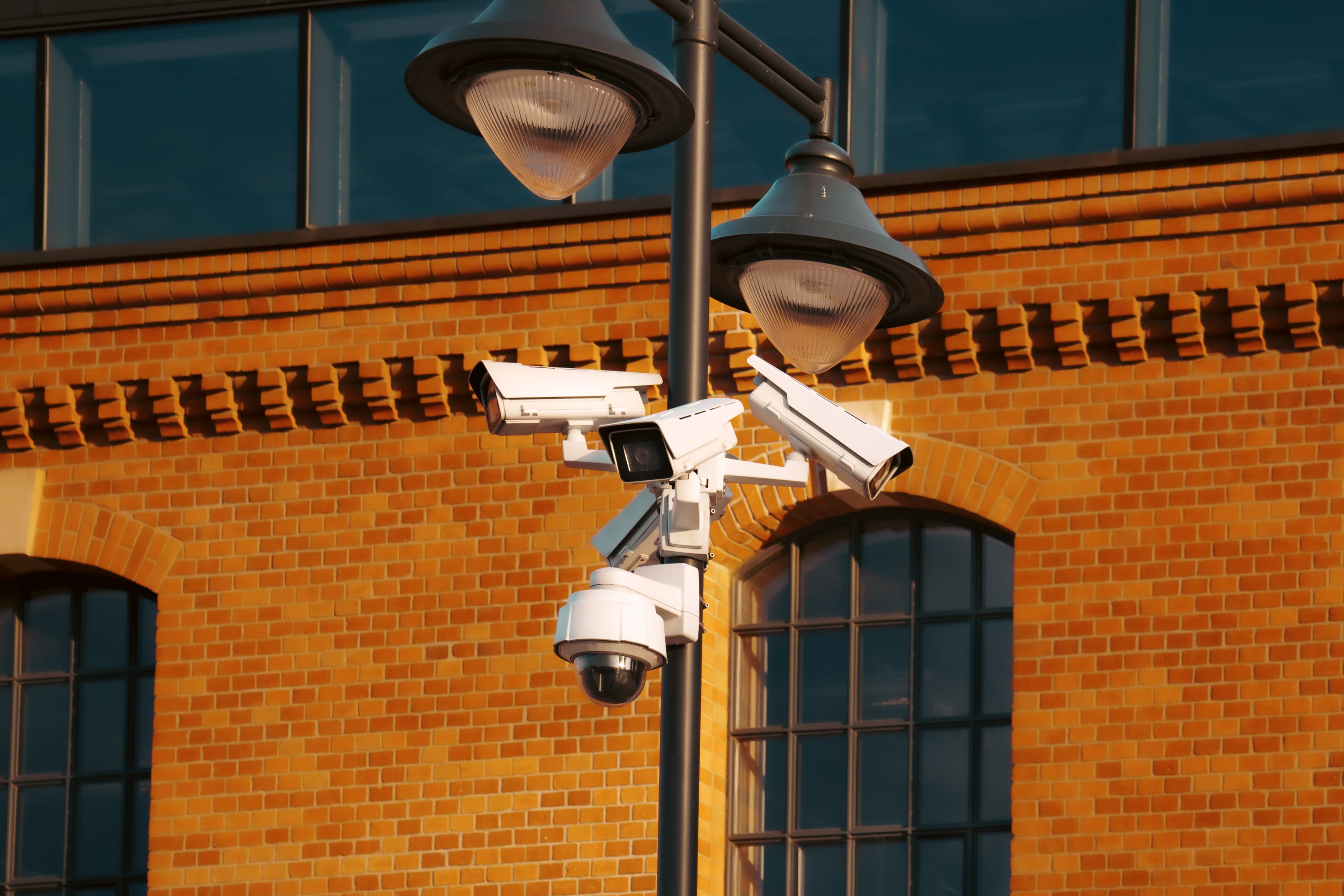
The Digital Watchtower Arrives
It feels like yesterday when we were just debating whether smart doorbells were a convenience or an invasion. Today, the conversation has shifted gears, moving from individual backyards to city-wide grids. The buzzword on everyone's lips is no longer just 'smart home' but specifically 'Flock cameras'. If you've been tracking search trends lately, you know exactly what I mean. The numbers are staggering. In the United States, search traffic for this specific term has skyrocketed to over 10,000 monthly queries, representing a mind-bending 600% increase.
This isn't just a fleeting curiosity. It’s a seismic shift in how communities are approaching public safety and private property monitoring. We are looking at a technology that promises to turn every street corner into a potential observation post, powered by artificial intelligence. But behind the sleek hardware and the promise of smarter policing lies a growing anxiety about where that data goes, who sees it, and, perhaps most terrifyingly, who might steal it.
The speed of this adoption is what catches the eye. Usually, tech trends trickle down slowly, filtering through early adopters before hitting the mainstream. This time, the wave hit all at once. By September 2026, the landscape had changed so drastically that the topic was dominating local news cycles and tech forums alike. The question isn't just why people want them anymore; it's why they need them so badly, and at what cost.
More Than Just a Lens
To understand the frenzy, you have to look past the physical device. A Flock camera isn't your average CCTV unit sitting in a box. These are sophisticated pieces of hardware designed to act as part of a massive, interconnected neural network. They don't just record video; they analyze it in real-time using advanced AI algorithms. They can identify license plates, recognize faces, track movement patterns, and flag suspicious behavior before a human operator even notices something amiss.
For municipalities and homeowners associations, the appeal is undeniable. Imagine a system that automatically alerts police when a car speeds through a neighborhood or identifies a vehicle linked to a recent crime. That level of efficiency sounds like the dream of every law enforcement agency. It promises to solve crimes faster, deter bad actors, and create a sense of security that was previously impossible to maintain with limited manpower.
But here is where the story gets complicated. The very feature that makes these cameras powerful—their ability to process vast amounts of data instantly—is also their greatest weakness. When you digitize everything, you create a target. And in our current digital ecosystem, targets are everywhere.
The Shadow of Hacked Data
While the marketing brochures paint a picture of utopian safety, the dark underbelly of this technology is starting to surface. Recent search trends reveal a disturbing correlation: alongside the surge in interest for purchasing these cameras, there is a sharp rise in queries regarding 'flock camera hacked data analysis'. This isn't just a typo or a minor glitch; it points to a genuine fear that the infrastructure holding our personal information is crumbling.
When you connect thousands of cameras across a city to a central server, you are essentially building a giant database of human movement. Every person walking down the street, every car driving by, becomes a data point. If that database is breached, the implications are catastrophic. We aren't talking about losing a credit card number. We are talking about the exposure of daily routines, family schedules, and the intimate details of private lives.
The term 'hacked data analysis' suggests that bad actors aren't just stealing footage; they are mining it. They could be analyzing patterns to predict high-value targets for burglaries, stalking individuals, or creating detailed profiles of community leaders. The idea that a hacker could walk away with the digital footprint of an entire town is a nightmare scenario that is rapidly becoming a plausible reality.
The Privacy Paradox
There is a profound paradox at play here. Communities are clamoring for more surveillance because they feel unsafe, yet the tools meant to protect them are introducing new, potentially greater risks. It’s a classic trade-off: safety versus privacy. For decades, we’ve argued about this balance, often settling somewhere in the middle. But the introduction of AI-driven, hyper-connected cameras shifts the center of gravity dramatically.
Proponents argue that the risk of hacking is overstated and manageable with proper encryption and security protocols. They insist that the benefits of catching criminals outweigh the theoretical dangers. And statistically, if the cameras work as advertised, they likely do reduce crime rates. But statistics don't tell the whole story. They don't account for the erosion of trust. Once people realize their movements are being tracked, analyzed, and stored in a vulnerable cloud, the feeling of freedom begins to vanish.
Furthermore, the sheer volume of data generated creates a 'chilling effect'. People start changing their behavior because they know they are being watched. They avoid certain streets, stop visiting certain shops, or alter their routes. The technology intended to make us safer ends up making us anxious, constantly aware of the invisible eye watching from the lamppost.
The 600% spike in search interest reflects not just excitement, but also confusion and fear. People are asking questions, digging deeper, and realizing that the fine print matters more than ever. The rush to install these systems hasn't given enough time for the legal and ethical frameworks to catch up. We are flying blind, installing the engines of a jet plane without knowing how to land it safely.
The Role of Artificial Intelligence
At the heart of the Flock camera phenomenon is the rapid advancement of Artificial Intelligence. This isn't just automation; it's autonomy. The AI inside these units is learning, adapting, and making decisions. It can distinguish between a stray dog and a person, or between a parked car and a loitering suspect. This capability allows for proactive policing rather than reactive investigation.
However, AI is only as good as the data it is fed. If the training data contains biases, the results will be skewed. There are already concerns that these systems might disproportionately flag certain demographics based on historical crime data that reflects systemic bias. Without rigorous oversight, the AI could become a tool of discrimination, automated and invisible.
The 'hacked data analysis' trend also highlights a critical vulnerability in AI itself. Adversarial attacks—where hackers manipulate input to trick the AI—are becoming more sophisticated. A simple sticker on a license plate or a specific pattern of clothing could theoretically fool the camera into missing a threat entirely, or worse, falsely identifying an innocent person as a criminal. The stakes are incredibly high when the machine is the judge, jury, and executioner.
What Are Communities Doing?
As the dust settles on this initial surge of interest, local governments and homeowner associations are scrambling to respond. Some are pushing back, calling for moratoriums until security standards are established. Others are forging ahead, betting that they can secure the networks themselves. The divide is stark, mirroring the national debate on surveillance.
In some cities, transparency has become the rallying cry. Residents are demanding public dashboards that show exactly what data is being collected, who has access to it, and how long it is retained. They want to know if third-party vendors are allowed to sell anonymized data, a practice that has been common in other tech sectors. The demand for accountability is louder than ever.
Meanwhile, cybersecurity firms are racing to develop specialized solutions for these networks. Traditional firewalls won't cut it when dealing with thousands of edge devices. The industry needs to pivot towards zero-trust architectures and end-to-end encryption that is robust enough to withstand state-level actors. The market is responding, but the pace of innovation in defense is struggling to keep up with the pace of deployment in offense.
The Future of Public Safety
Looking ahead, the trajectory seems clear. The use of AI-powered cameras like Flock is only going to grow. The cost of hardware is dropping, the technology is improving, and the demand for safety remains constant. The challenge now is to ensure that this growth doesn't outpace our ability to govern it responsibly.
We are standing at a crossroads. One path leads to a highly secure, efficient society where crime is minimized through technological intervention. The other leads to a panopticon where privacy is a relic of the past, and data breaches are inevitable. The choice isn't binary, but the margin for error is shrinking. Every day that passes without clear regulations brings us closer to a point of no return.
The 10,000+ searches and the 600% increase are just the beginning. They represent the waking moment of a society realizing that the tools of the future are already here. The question is no longer if we will have these cameras, but how we will live with them. Will we build walls around our data, or will we let it flow freely, hoping nothing breaks?
A Call for Vigilance
For now, the best advice is vigilance. Whether you are a homeowner considering a Flock camera or a citizen concerned about your neighborhood, stay informed. Read the terms of service. Understand the data policies. Ask hard questions about security measures. The technology is impressive, but it is not infallible.
The narrative of 'smarter policing' is compelling, but it must be balanced against the reality of 'vulnerable data'. As we move forward, the conversation must include not just the engineers and the police chiefs, but also the lawyers, the ethicists, and the everyday people whose lives are being recorded. Only then can we hope to harness the power of AI without falling victim to its pitfalls.
The next chapter of this story is being written right now. With search interest climbing and new vulnerabilities being discovered weekly, the clock is ticking. We have the technology to see everything. Now we just need the wisdom to know when to look away.