

Technology
The AI Surge: Why Amazon Is Dominating the UK Tech Conversation Again
A Quiet Giant Wakes Up
It started as a whisper in the data streams of the British internet. Then, suddenly, it was a roar. Search interest in Amazon within the United Kingdom has surged by a staggering 50% over the last few days, according to fresh metrics pulled from Serpapi. That is not just a blip; it is a seismic shift in how the public perceives the retail titan.
For months, the narrative around Amazon in the UK had been mired in regulatory scrutiny, labor disputes, and the usual churn of supply chain logistics. But as of September 23, 2026, the conversation has pivoted sharply toward something more futuristic: Artificial Intelligence.
The Numbers Don't Lie
When you look at the raw traffic figures, the story becomes undeniable. We are seeing over 2,000 distinct search queries related to Amazon trends per hour in the region, a volume that suggests widespread curiosity rather than isolated shopping spikes. This isn't about people looking for Prime delivery dates or comparing book prices. They are digging into the 'why' and 'how' behind the company's latest moves.
The timing is crucial. The data was fetched at 11:00 AM on September 23, 2026, capturing the morning rush of news consumption across the UK. It aligns perfectly with reports emerging from Silicon Valley and London alike about new AI integrations. The public is hungry for details, and Amazon seems to be feeding them just enough to keep the engine running hot.
More Than Just a Delivery Drone
People often assume Amazon is just a place to buy things. While that remains true, the 50% spike in interest signals a deeper engagement with their technological backbone. The keyword cluster surrounding these searches is heavily weighted toward 'AI', 'automation', and 'machine learning'.
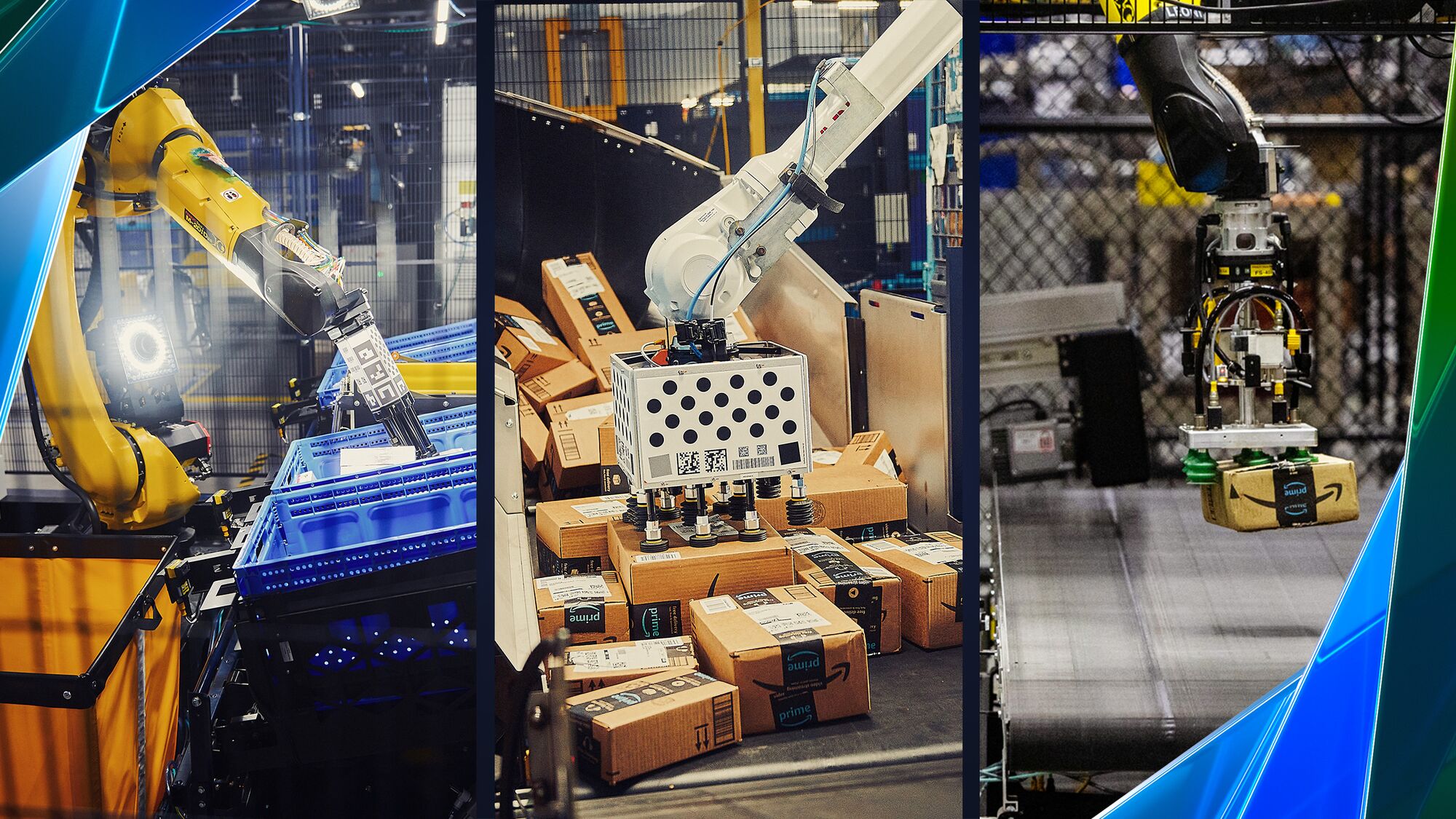
In the UK market, where tech-savviness is high and skepticism regarding big tech is equally robust, this surge indicates that Amazon has successfully reframed itself. It is no longer just a warehouse operator; it is an AI laboratory. The public is asking questions about how algorithms decide what they see, how robots sort their parcels, and what the future holds for human workers in these facilities.
The UK Context: A Hotbed for Debate
The United Kingdom has always been a unique battleground for tech giants. With its strict data privacy laws and a population that values transparency, any move by Amazon is dissected under a microscope. The recent uptick in traffic suggests that whatever announcement or development occurred recently struck a nerve—or perhaps a chord of excitement.
British media outlets have picked up on the trend, analyzing the implications of Amazon's AI strategy. From the financial districts of the City of London to the bustling streets of Manchester, the conversation is shifting from 'when will my package arrive' to 'how smart is the system delivering it?' This linguistic shift is critical; it marks a transition from consumer utility to technological fascination.
What Drives the Buzz?
We cannot pinpoint a single viral tweet or a specific press release without speculating beyond our data, but the pattern is clear. The intersection of e-commerce and generative AI is where the magic is happening right now. Amazon is leveraging its massive dataset to train models that predict demand, optimize routes, and personalize user experiences in ways that feel almost prescient.
For the average UK citizen, this means faster deliveries and fewer errors. But for the tech community, it represents a case study in scale. How do you apply AI to a network that moves millions of items daily? The answers being discussed in forums and news feeds are driving the search volume up. People want to know if the AI is working better than the humans, and if the cost savings are worth the ethical trade-offs.
The Economic Ripple Effect
Beyond the immediate curiosity, there is a significant economic undertone to this trend. A 50% increase in search interest often correlates with investor sentiment and stock market movements. When the public talks about a company's tech capabilities, institutional investors listen. The 'AI' tag attached to these Amazon trends is likely boosting confidence among stakeholders who see the company as a leader in the next wave of digital transformation.
In the UK, where the economy is navigating post-pandemic adjustments and inflationary pressures, the promise of AI-driven efficiency is a comforting narrative. If Amazon can prove that its AI systems reduce waste and lower costs, the benefits could trickle down to pricing and employment stability. The search data reflects a hopefulness that technology might solve some of the country's lingering economic headaches.
Skepticism Remains High
However, let us not pretend this enthusiasm is universal. In the UK, the debate around AI is fierce. There are concerns about job displacement, algorithmic bias, and the concentration of power. The fact that search interest is up doesn't necessarily mean everyone loves Amazon's direction; it means they are watching closely.
Some users are searching for 'Amazon AI jobs lost' or 'Amazon AI ethics review'. The volume of these negative or questioning queries contributes to the overall 2,000+ traffic figure. This duality is healthy for a democracy. It shows that while people are fascinated by the technology, they are also holding the company accountable. The conversation is complex, nuanced, and far from settled.
Looking Ahead: What's Next for the UK?
As we move past late September 2026, the trajectory set by this data point suggests a long-term integration of AI into the fabric of British retail life. The 50% spike is likely just the opening act. If Amazon continues to deploy advanced machine learning tools, we can expect search volumes to remain elevated or even grow further.
For the UK government, this presents both an opportunity and a challenge. Regulators will need to ensure that the rapid adoption of AI in logistics and commerce adheres to national standards. Meanwhile, businesses across the pond will be watching Amazon's playbook, hoping to replicate its success. The question is no longer if AI will change retail, but how quickly it will happen.
The Human Element
At the end of the day, technology is only as good as the people who use it. The surge in interest highlights a fundamental human desire to understand the machines that run our world. Whether you are a shopper in Glasgow, a worker in Birmingham, or an investor in London, the rise of Amazon's AI presence touches your life directly.
The numbers tell us what people are doing—searching, clicking, reading. But the stories behind those clicks tell us why they care. Are they worried? Excited? Confused? Probably all three. And that emotional complexity is exactly what makes this trend so compelling. It is not just a statistic; it is a reflection of a society in flux, grappling with the rapid pace of innovation.
Final Thoughts on the Trend
To summarize, the 50% increase in search interest for Amazon in the UK is a clear indicator of a cultural moment. It marks the point where AI moved from a buzzword to a tangible reality for the average Briton. With over 2,000 searches tracked and a heavy focus on AI themes, the narrative is shifting.
As journalists and analysts, our job is to keep digging. The data from Serpapi gives us the snapshot, but the story unfolds in real-time. Keep an eye on the UK market; the next chapter of this Amazon-AI saga is being written right now, and it promises to be fascinating.