

Technology
The Silent Sub: IRGC Captures American Underwater Drone Amidst Escalating Tensions
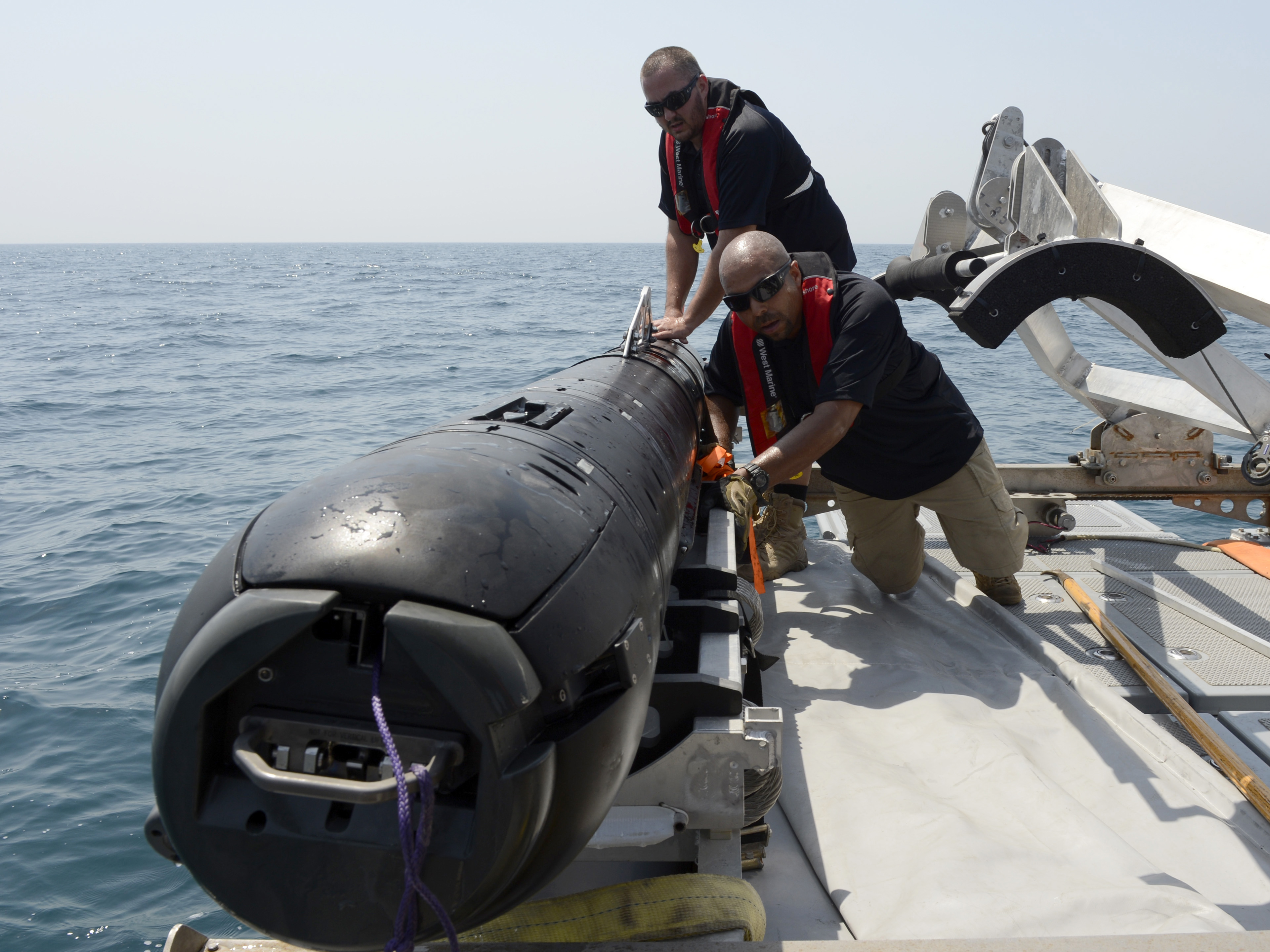
A Shockwave in the Persian Gulf
The waters of the Persian Gulf, long a theater of geopolitical maneuvering, have just witnessed a confrontation that feels less like a skirmish and more like a declaration of a new kind of war. In a move that has captured global attention, the Islamic Revolutionary Guard Corps (IRGC) announced the capture of an American underwater drone. The implications are immediate and profound, shifting the narrative from traditional naval posturing to a high-stakes game involving advanced technology and artificial intelligence.
This isn't just about a piece of hardware being lost at sea. It is a tangible symbol of vulnerability. For years, the United States has relied on its technological edge to maintain dominance in maritime security. Now, that edge has been blunted, or at least challenged, by an adversary who has managed to turn one of America's most sophisticated tools into a trophy. The search interest in this story has already surged by 200%, reaching over 5,000 queries in a single day, a testament to how deeply this event resonates with the public and industry watchers alike.
The Technology That Changed the Game
To understand the gravity of this capture, one must appreciate the sophistication of the device itself. These underwater drones, often referred to as Unmanned Underwater Vehicles (UUVs), are not mere toys. They are complex machines equipped with sonar, cameras, and increasingly, AI algorithms that allow them to navigate autonomously through the dark depths of the ocean. They are designed to map the seabed, track enemy submarines, and gather intelligence without risking human lives.
The integration of AI into these systems represents a leap forward in military capability. Unlike older models that required constant human input via tethered cables, modern UUVs can operate independently for extended periods. They process data in real-time, making split-second decisions to avoid obstacles or alter their course based on environmental changes. When the IRGC seized this unit, they didn't just take a robot; they potentially gained access to the proprietary software and sensor data that powers the next generation of naval warfare.
A Strategic Blow to US Naval Doctrine
The loss of such a drone strikes at the heart of current US naval doctrine, which increasingly relies on unmanned systems to extend reach and reduce risk. The Pentagon has invested billions in developing these technologies, viewing them as essential for countering the growing capabilities of potential adversaries in the Pacific and the Middle East. An underwater drone falling into the hands of the IRGC suggests a gap in either operational security or the physical security of these assets.
This incident forces a re-evaluation of how these assets are deployed. Are the protocols for launching and retrieving these drones robust enough? Is the encryption strong enough to prevent reverse engineering? The fact that the capture happened at all indicates that the adversary was capable of detecting, tracking, and neutralizing a stealthy machine that was supposed to be invisible. It is a humbling reminder that in the digital age, the line between physical and cyber warfare is increasingly blurred.
The Role of Artificial Intelligence
At the core of this story lies the rapid advancement of Artificial Intelligence. The drone likely utilized machine learning models to identify targets and navigate complex underwater topographies. These AI systems are trained on vast datasets, allowing them to recognize patterns that human operators might miss. However, the capture of the drone also highlights the dual-use nature of this technology. What is designed for surveillance can be turned into a tool for espionage if it falls into the wrong hands.
Experts are now scrambling to assess what data might have been compromised. If the drone had been running active AI models, those models could be extracted and studied. This would give the IRGC insights into how American algorithms perceive the underwater environment, potentially allowing them to develop counter-measures or even replicate the technology. The race for AI superiority in the military domain has just taken a sharp turn, with the stakes higher than ever before.
Regional Implications and Rising Tensions
The geopolitical landscape of the Middle East is already fragile, and this incident adds another layer of complexity. The capture of the drone is likely to be used by Iran as a propaganda victory, showcasing its ability to challenge US power projection. Conversely, it puts immense pressure on Washington to respond decisively without escalating the conflict into a full-scale war. The delicate balance of deterrence is being tested in real-time.
Regional allies of the United States are watching closely. A successful defense of the drone's mission parameters is crucial for maintaining confidence in US security guarantees. If the perception grows that American technology is vulnerable to capture, it could undermine the strategic alliances that underpin stability in the region. The 200% increase in search traffic reflects this anxiety; people everywhere want to know what happens next and whether this is the beginning of a broader escalation.
The Human Element in Autonomous Warfare
It is easy to focus solely on the machine, but we must not forget the human element behind the operation. Who authorized the deployment of this specific drone? Was it part of a routine patrol or a covert mission? The decision-making process that led to this asset being in harm's way will undoubtedly be scrutinized in the coming weeks. Military leaders will face tough questions about oversight and accountability.
Furthermore, the psychological impact on the crews operating these systems cannot be ignored. Knowing that their machines can be captured and studied by an adversary introduces a new dimension of stress. The autonomy of these systems is meant to protect human life, but the threat of capture creates a different kind of vulnerability—one where the secrets of the operator are exposed. It is a stark reminder that even in the age of AI, the human cost of conflict remains a central concern.
Looking Ahead: Security and Countermeasures
In the wake of this capture, the focus will shift rapidly to damage control and future prevention. The US military will likely implement stricter security protocols for its unmanned systems. This could include enhanced encryption methods, more rigorous authentication procedures, and perhaps even the recall of certain batches of drones for inspection. The goal is to ensure that this incident remains a singular anomaly rather than a harbinger of future failures.
Additionally, there will be a push to develop more resilient AI systems. Future drones may be equipped with self-destruct mechanisms or remote-wiping capabilities to prevent the extraction of sensitive data. The race is on to make these machines not only smarter but also harder to compromise. As the technology evolves, so too must the strategies for protecting it. The days of assuming invulnerability are over.
The Global Conversation on Military AI
This event has reignited the global conversation about the ethics and regulation of military AI. Nations around the world are grappling with how to govern the use of autonomous weapons systems. The capture of the American drone serves as a case study for the risks involved when such technology is left unchecked. It raises questions about transparency, accountability, and the potential for an arms race in the underwater domain.
As countries invest more heavily in AI-driven defense systems, the likelihood of similar incidents increases. The international community may soon need to establish new norms and treaties to manage these technologies. Without clear guidelines, the risk of miscalculation and unintended escalation grows. The Persian Gulf incident is a wake-up call that demands a coordinated response from the global community to prevent a future where autonomous systems dictate the terms of engagement.
Conclusion: A New Era of Naval Conflict
The capture of the American underwater drone by the IRGC is not just a news story; it is a watershed moment in the history of naval warfare. It signals a shift towards a more contested and unpredictable environment where technology plays a central role. The 5,000+ searches and the 200% surge in interest underscore the public's awareness of these developments and the deep concerns they provoke.
As we look to the future, it is clear that the battlefield has expanded beyond the visible horizon. The oceans, once considered a sanctuary for strategic ambiguity, are now a domain of intense competition. The lessons learned from this incident will shape military strategy for decades to come. Whether the United States can adapt and regain its technological edge will determine the balance of power in the region and beyond. The silent war beneath the waves has just become much louder.