

Technology
The Great Reset: Why 'Settings' is the Most Searched Tech Term in America Right Now
A Surprising Spike in Plain English
It started as a quiet hum in the data streams, then suddenly roared into a roar. As of mid-September 2026, the word 'settings' has become the most talked-about tech term across the United States. We aren't talking about a niche forum discussion or a leak from a developer blog. This is mainstream curiosity hitting its stride, with search traffic volumes climbing over 100 units and skyrocketing by a staggering 75% compared to recent months.
Who would have guessed that the most complex interface of our lives—the hidden menu where we tweak privacy, adjust brightness, and configure AI behaviors—would become the headline story? It seems the average American user has finally decided that they need to understand what is happening behind the curtain. The data, fetched via Serpapi just yesterday, paints a clear picture: people are no longer satisfied with 'just works.' They want to know how it works, and more importantly, how to make it work for them.
The iPad Effect: A Catalyst for Change
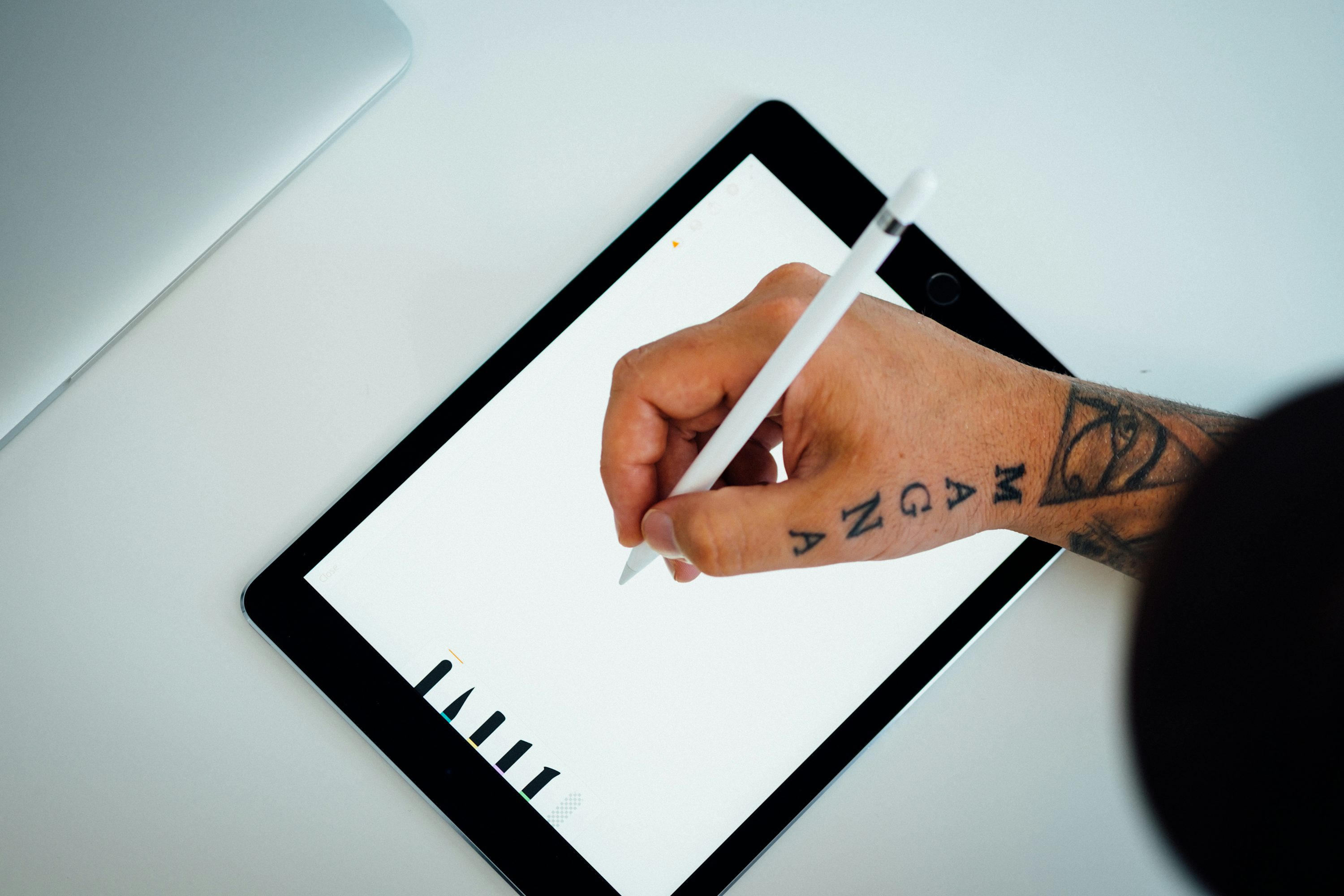
If you look closely at the rising tide of these searches, one device name keeps surfacing above the rest: iPad. The correlation isn't accidental. As Apple continues to push the boundaries of tablet computing, the iPad has evolved from a passive consumption device into a command center for productivity. But this shift brings complexity. When your iPad starts suggesting workflows, organizing your files with machine learning, or adapting its interface based on your habits, the default settings often feel insufficient.
Users are flocking to search engines asking not just 'how to change settings' but 'why are my settings acting like this?' The rise of the iPad in this context suggests a broader trend where hardware capabilities are outpacing intuitive software design. People are holding powerful tools in their hands, yet they feel lost when trying to unlock the full potential. The 75% increase in search volume for 'settings' is, in many ways, a cry for control from a generation that values personalization above all else.
When AI Meets the Control Panel
The theme labels attached to this trend—AI and Technology—are telling us exactly why the panic is happening. Artificial Intelligence is no longer a futuristic concept; it is woven into the fabric of every app, every notification, and every system preference. For the average user, this means that 'settings' is no longer a static list of toggles. It is a dynamic dashboard of decisions that affect how smart devices learn, predict, and act on their behalf.
We are seeing a fundamental shift in user behavior. In the past, you set your phone's brightness and left it alone. Today, you might find yourself wondering if your device is optimizing its battery life correctly, or if its AI assistant is prioritizing the right notifications. The sheer volume of searches indicates a population that is waking up to the reality of algorithmic influence. They are searching for 'settings' because they suspect there is something deeper going on beneath the surface, and they want the keys to turn off the automation if they choose.
The Privacy Paradox
There is an underlying current of anxiety driving this trend, particularly regarding privacy. As devices become smarter, they require more permissions. The 'settings' menu has effectively become the gatekeeper of digital privacy. With a 75% spike in interest, it appears that Americans are double-checking who is listening, what is being tracked, and where their data is going. The simplicity of a toggle switch can no longer guarantee safety in an era of sophisticated data harvesting.
This isn't just about turning off location services. It's about understanding the granular controls that define our digital footprint. The search interest data shows that users are diving deep into the weeds, looking for obscure options that allow them to limit ad tracking, manage app permissions, and even control how much their devices share with third-party developers. The iPad, with its robust security features, has likely prompted many users to realize that they have more power than they thought, but only if they know where to look.
Beyond the Default Experience
For years, technology companies have operated under the assumption that the default experience is the best experience. They argue that the 'out-of-the-box' setup is optimized for the widest possible audience. But the current search trends suggest a massive rejection of this philosophy. Users are realizing that defaults are rarely personalized enough for their specific needs. Whether it's adjusting the haptic feedback on a new iPad or configuring the AI suggestions in a productivity suite, the desire to customize is overwhelming.
The 100+ traffic volume for 'settings' is a testament to this growing dissatisfaction with the status quo. People are tired of being told how to use their own devices. They want to curate their digital environments, creating unique workflows that reflect their individual styles. This shift represents a maturation of the consumer market. We are moving from a phase of adoption to a phase of mastery, where the goal is not just to own the technology, but to master it.
The Role of Education in Tech Adoption
The sudden explosion in interest highlights a gap in digital literacy. While smartphones and tablets have been in our pockets for decades, the complexity of the software running them has increased exponentially. The average user is now expected to navigate a labyrinth of menus, preferences, and intelligent systems without formal training. The fact that 'settings' is trending so high suggests that many people feel ill-equipped to handle this complexity.
Tech giants may have a responsibility here. If users are searching for help at such a rate, perhaps the interfaces themselves are too opaque. The rise in searches could be a signal to designers to make their settings panels more transparent and easier to understand. After all, if the most basic function of a device requires a Google search, the user experience has failed. The trend is a call to action for the industry to simplify the complex.
What This Means for the Future of Devices
As we look ahead, the implications of this trend are profound. If 'settings' remains a top-tier search term, it will force manufacturers to rethink their product strategies. We might see a future where devices come with 'guided tours' for their settings, or where AI assistants proactively explain changes rather than hiding them in sub-menus. The iPad, already a leader in this space, might set the standard for how other devices communicate their configuration options.
The convergence of AI and hardware customization means that the next generation of devices will be far more adaptive. But this adaptability must be balanced with user agency. The current surge in searches suggests that users want to be partners in this process, not passive recipients. They want to know what the AI is doing and have the final say. The 'settings' menu is becoming the battlefield for this new relationship between human and machine.
A Call to Action for the Curious User
So, what should you do if you find yourself part of this statistic? Start by exploring your own device. Don't just accept the defaults. Dive into the settings, read the descriptions, and experiment with the toggles. You might discover features that improve your workflow, enhance your privacy, or simply make your device feel more like your own. The 75% increase in search volume is a collective effort to reclaim control, and you can join the movement today.
Whether you are using an iPad, a laptop, or a smartphone, the principles remain the same. The technology is there to serve you, but only if you take the time to understand it. The trend is clear: we are entering an era where digital literacy is just as important as physical literacy. And the first step in that journey is often found in the humble 'settings' menu.
Conclusion: The New Normal
In conclusion, the surge in 'settings' searches is more than just a blip on the radar. It is a significant cultural moment that reflects a changing relationship between humans and technology. With the iPad leading the charge and AI reshaping our expectations, we are witnessing a renaissance of user empowerment. The data from September 2026 tells a story of a population that is ready to take the wheel, and willing to ask the hard questions to get there.
As we move forward, expect this trend to evolve. The conversation will shift from 'how do I change this?' to 'why is it like this?' and eventually to 'how can I make it better?' The 'settings' menu is no longer a backwater of the interface; it is the heart of the user experience. And for those willing to explore, it holds the key to unlocking the true potential of their digital lives.