

Technology
The Flock Camera Surge: How AI is Reshaping American Neighborhood Watch
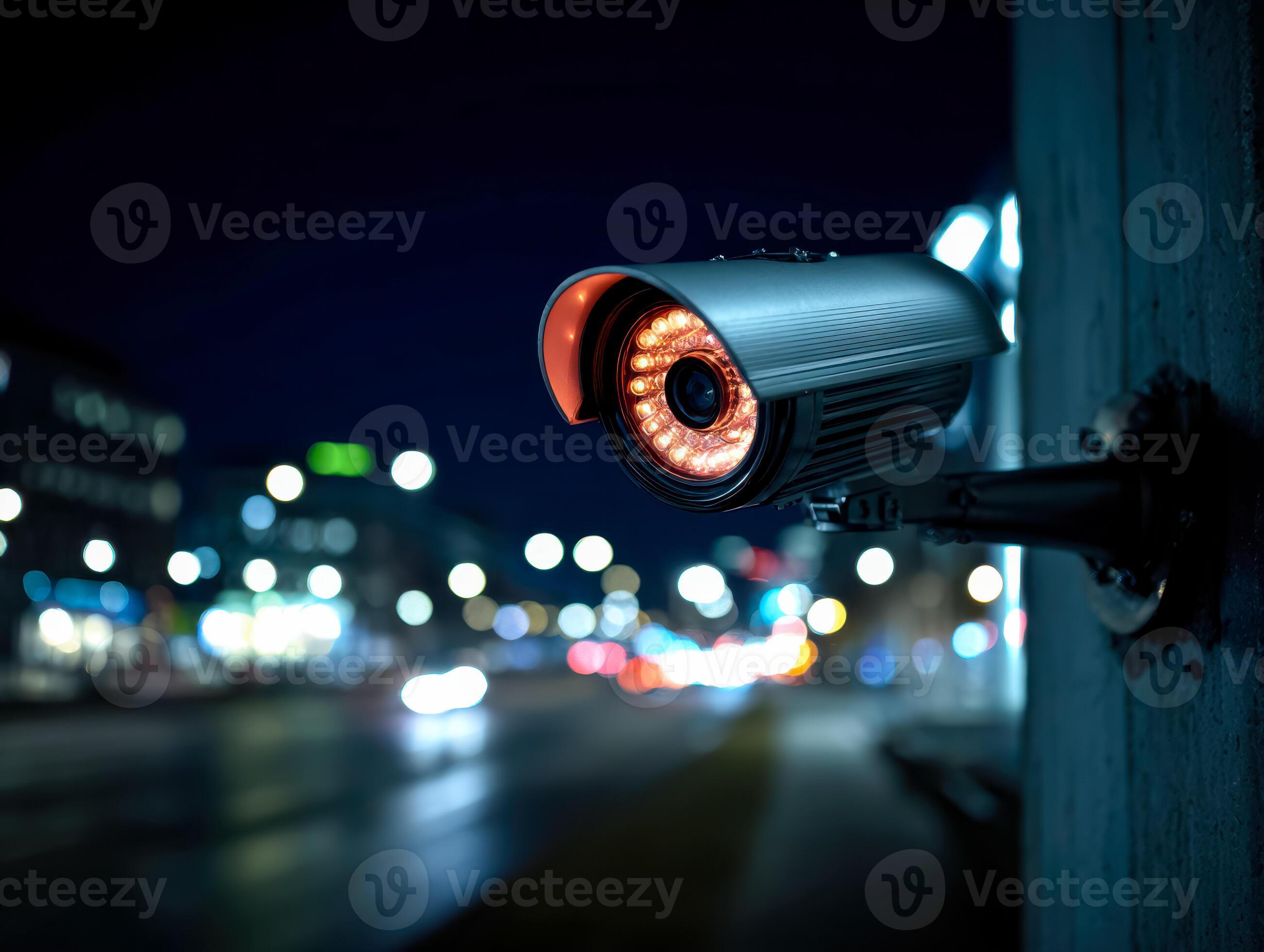
The Digital Watchtower Rises
It started as a whisper in tech forums and ended up as a shout across search bars. By September 20, 2026, the term "flock camera" has become a household phrase in the United States, with search traffic surging by a staggering 100%. This isn't just a fleeting curiosity; it's a clear signal that the landscape of personal security is undergoing a radical transformation.
For years, the concept of neighborhood watch was physical—a group of neighbors chatting over fences or patrolling streets. Today, that fence is digital, and the patrol is automated. The surge in interest, as noted in our latest data from Serpapi, suggests that homeowners are no longer satisfied with passive recording. They want active intelligence.
The numbers don't lie. With a volume exceeding 200+ searches in a single day, the flock camera has moved from niche gadget to mainstream necessity. But what exactly is driving this frenzy? Is it fear? Convenience? Or something more profound about how we view privacy and safety in the age of artificial intelligence?
More Than Just Motion Detection
To understand the hype, you have to look past the lens. Traditional cameras simply recorded what happened when they were triggered. The flock camera, however, is built on a foundation of advanced AI. It doesn't just see motion; it understands context. It can distinguish between a drifting leaf, a stray dog, and a person loitering near the door.
This distinction is crucial. For too long, smart home users have been bombarded with false alarms. A cat jumping on the porch would trigger a notification, leading to "alarm fatigue." The new generation of devices uses machine learning models trained on millions of images to reduce these errors to near zero. When the system alerts you, it's because something actually matters.
The technology behind this is sophisticated but invisible to the average user. It operates in the cloud, constantly updating its recognition capabilities without requiring manual firmware tweaks. This seamless integration is likely a key factor in the sudden spike in search volume. People aren't just buying hardware anymore; they're buying peace of mind delivered through code.
The Privacy Paradox
With great power comes great scrutiny, and the rise of flock cameras has sparked a lively debate across the US. While the technology offers undeniable benefits, it also raises questions about surveillance creep. If every home is equipped with an AI eye that can identify faces and track movement, where does the line blur between community safety and mass monitoring?
Critics argue that the ease of sharing footage within local networks could lead to misuse. However, proponents counter that the same technology allows for better verification. In a world where deepfakes and manipulated video are becoming common, having a device that can verify the authenticity of an event in real-time is a game-changer.
The conversation is far from settled. As search traffic climbs, so does the demand for transparency from manufacturers. Consumers are asking hard questions about data storage, access rights, and who owns the footage captured by their front porches. The industry is watching closely to see if they can build trust alongside their algorithms.
From Niche to National Trend
It is rare for a specific product name to gain such traction so quickly. Usually, trends start with broad terms like "smart camera" or "home security." The fact that "flock camera" has become the primary keyword indicates a strong brand influence or a unified technological standard that consumers recognize. Whether it refers to a specific company or a category of interconnected devices, the result is the same: market dominance.
This trend reflects a broader shift in the US housing market. As remote work continues to normalize, the home has become a fortress of both productivity and leisure. Protecting that space is no longer optional; it is a priority. The 100% increase in interest suggests that homeowners are actively seeking solutions that offer more than just a basic video feed.
We are seeing a migration away from standalone units toward ecosystems. The idea of a "flock" implies connectivity. Cameras talking to each other, sharing data, and creating a comprehensive map of activity around a property. This network effect is what sets these devices apart from the old guard of security systems.
The Role of Artificial Intelligence
At the heart of this revolution is AI. Without it, the term "flock" would be meaningless. The ability to process vast amounts of visual data in real-time requires computational power that only modern neural networks can provide. These systems learn from the environment, adapting to seasonal changes, lighting conditions, and even the behavior patterns of the residents.
This adaptability is what makes the technology so compelling. A static camera sees the world the same way today as it did five years ago. An AI-driven camera evolves. If a new type of package theft emerges, the system learns to spot it. If a new breed of pet enters the neighborhood, the filter updates automatically. It is a living defense system.
The implications extend beyond the residential sphere. Commercial properties, schools, and public spaces are beginning to adopt similar technologies. The success of the flock camera in the US market may well serve as a blueprint for the next generation of public safety infrastructure.
Consumer Confidence and Market Dynamics
Why now? Why has the search interest exploded specifically in late September 2026? Timing often plays a role in these spikes. Perhaps a major news story involving a break-in highlighted the limitations of older cameras. Or maybe a new marketing campaign successfully pitched the benefits of AI-driven security to a skeptical audience.
What is certain is that consumer confidence is shifting. People are willing to invest in higher-end security solutions. The price point of traditional cameras was once a barrier, but as AI features become standard, the value proposition improves. Users feel they are getting more for their money, which drives word-of-mouth recommendations and, consequently, search traffic.
The market is responding rapidly. Retailers are stocking these devices prominently, and installers are training staff on the nuances of AI setup. The ecosystem around the flock camera is growing as fast as the technology itself, creating a self-reinforcing cycle of adoption and innovation.
The Future of Home Security
As we look ahead, the trajectory seems clear. The days of motion sensors and grainy black-and-white footage are numbered. The future belongs to devices that think, analyze, and communicate. The flock camera represents the vanguard of this movement, offering a glimpse into a world where security is proactive rather than reactive.
We may soon see a time when insurance companies offer significant discounts for homes equipped with these intelligent systems. The data they provide—verified incidents, accurate logs, and predictive risk assessments—could revolutionize how insurers calculate premiums. This economic incentive could drive even faster adoption rates.
The question remains whether this level of surveillance is sustainable in a democratic society. But for now, the demand is undeniable. With traffic up 100% and counting, the flock camera has firmly established itself as the cornerstone of the modern American home.
What This Means for You
If you are considering upgrading your home security, the message is clear: look beyond the basics. The technology available today is capable of things that seemed like science fiction just a few years ago. Whether you live in a bustling city or a quiet suburb, the tools to protect your family are smarter and more accessible than ever before.
Don't get lost in the jargon. Focus on what the camera can do for you. Can it tell the difference between a delivery driver and a stranger? Does it alert you instantly? Is the data secure? These are the questions that matter most as you navigate the crowded marketplace of smart home devices.
The surge in interest is a testament to a changing world. We are entering an era where our homes are not just shelters, but smart hubs that protect us. The flock camera is just the beginning of this journey, and it promises to reshape how we interact with our physical environments for years to come.