

Technology
The AI Infrastructure Stalls: Senate Blocks Crucial Data Center Bill
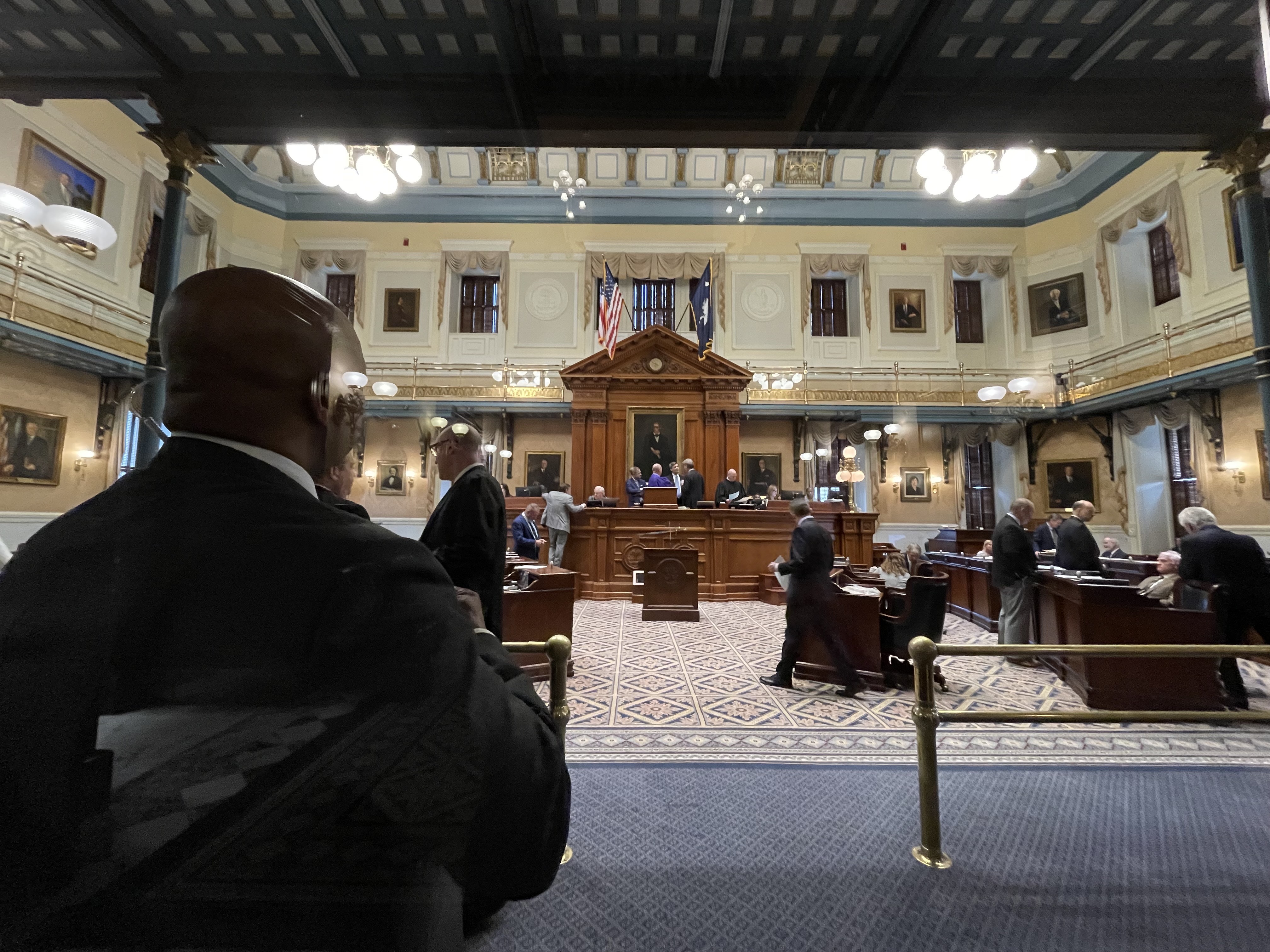
A Sudden Halt to Digital Expansion
It was supposed to be a victory lap for the digital age. Instead, the US Senate delivered a stinging defeat to proponents of the next generation of data infrastructure. Just as the world braces for an explosion in artificial intelligence capabilities, a key piece of legislation designed to streamline the construction of massive data centers has been blocked. The move has sent shockwaves through Silicon Valley and Washington alike, raising urgent questions about whether American dominance in AI can survive without the physical backbone to support it.
The Numbers Tell a Wild Story
The reaction from the public and industry watchers has been nothing short of explosive. According to recent data tracked by Serpapi, search interest in this development has skyrocketed by 1000% in a matter of days. As of September 18, 2026, more than 20,000 people have actively looked into what happened behind closed doors in the Capitol. This isn't just a niche policy story anymore; it has become a trending topic that demands attention from everyone from tech CEOs to everyday internet users wondering if their next viral video will be delayed.
Why the Block Matters So Much
To understand the gravity of this situation, one must look at the role these facilities play. Data centers are the lungs of the modern internet, breathing life into everything from cloud storage to complex machine learning models. The blocked bill was intended to cut through red tape, offering federal incentives and clearer zoning guidelines to help build these behemoths faster. Without it, developers face a patchwork of local regulations that could slow deployment by years. In an era where AI models are evolving monthly, those delays are not just inconvenient; they are potentially catastrophic for innovation.
The Energy Question Takes Center Stage
At the heart of the legislative stalemate lies a contentious issue: power. Data centers are voracious consumers of electricity. Critics of the bill argued that rushing construction without addressing the strain on the national grid would lead to blackouts or force utilities to rely too heavily on fossil fuels. Supporters countered that the bill included provisions to encourage green energy integration, but the compromise wasn't enough to sway the majority. The debate has shifted the conversation from 'how fast can we build?' to 'can we even power what we've already built?'
Regional Tensions Flare Up
The fallout from the vote has also highlighted a growing rift between urban tech hubs and rural communities eager for investment. Many data centers require vast tracts of land, often located away from city centers where real estate is expensive. The blocked legislation had promised to bring jobs and tax revenue to these rural areas. Now, those communities feel betrayed, while urban policymakers worry that without federal guidance, the rollout will become uneven, favoring only states with the most aggressive local incentives.
What Happens Next?
With the bill dead for now, the path forward remains murky. Industry leaders are scrambling to find workarounds, looking to state-level governments to pick up the slack. Some governors have already signaled they might pass their own versions of the law, creating a fragmented landscape where rules vary wildly depending on which side of a state line you stand. Meanwhile, the Senate is expected to revisit the issue, though few expect a quick resolution given the current political climate.
The Global Race Intensifies
While Washington argues, the rest of the world watches closely. Competitors in Europe and Asia are moving aggressively to secure their own data infrastructure. If the US slows down due to bureaucratic gridlock, there is a genuine risk of losing ground in the global race for AI supremacy. This is no longer just about servers and cables; it is about economic sovereignty and technological leadership. The blocking of this bill serves as a stark reminder that hardware matters just as much as software in the battle for the future.
Investors Hold Their Breath
On Wall Street, the mood is cautious. Investors who had poured billions into data center REITs (Real Estate Investment Trusts) and construction firms based on the promise of this legislation are now reassessing their portfolios. The uncertainty creates a volatile environment where stock prices can swing on a single rumor. Analysts warn that without a clear regulatory framework, capital expenditure plans may be put on hold indefinitely, slowing the entire sector's growth trajectory.
A Lesson in Legislative Complexity
This episode underscores the immense difficulty of passing laws that address hyper-modern problems with old-school tools. The complexity of balancing environmental concerns, energy security, and rapid technological advancement is proving too much for the current legislative machinery. It forces a re-evaluation of how Congress approaches infrastructure bills in the 21st century. Can the system adapt quickly enough, or will the pace of innovation forever outstrip the speed of governance?
Looking Ahead to 2027
As we move further into the year, the pressure on lawmakers will only increase. With search traffic remaining high and the demand for computing power showing no signs of abating, the silence in the Senate will grow louder. Stakeholders are calling for a new approach, perhaps one that bypasses traditional committee hurdles entirely. For now, the dream of a streamlined, federally supported data center expansion remains on ice, leaving the future of America's digital infrastructure hanging in the balance.