

News
Bahrain Intercepts Iranian Drones, US Traffic Surges
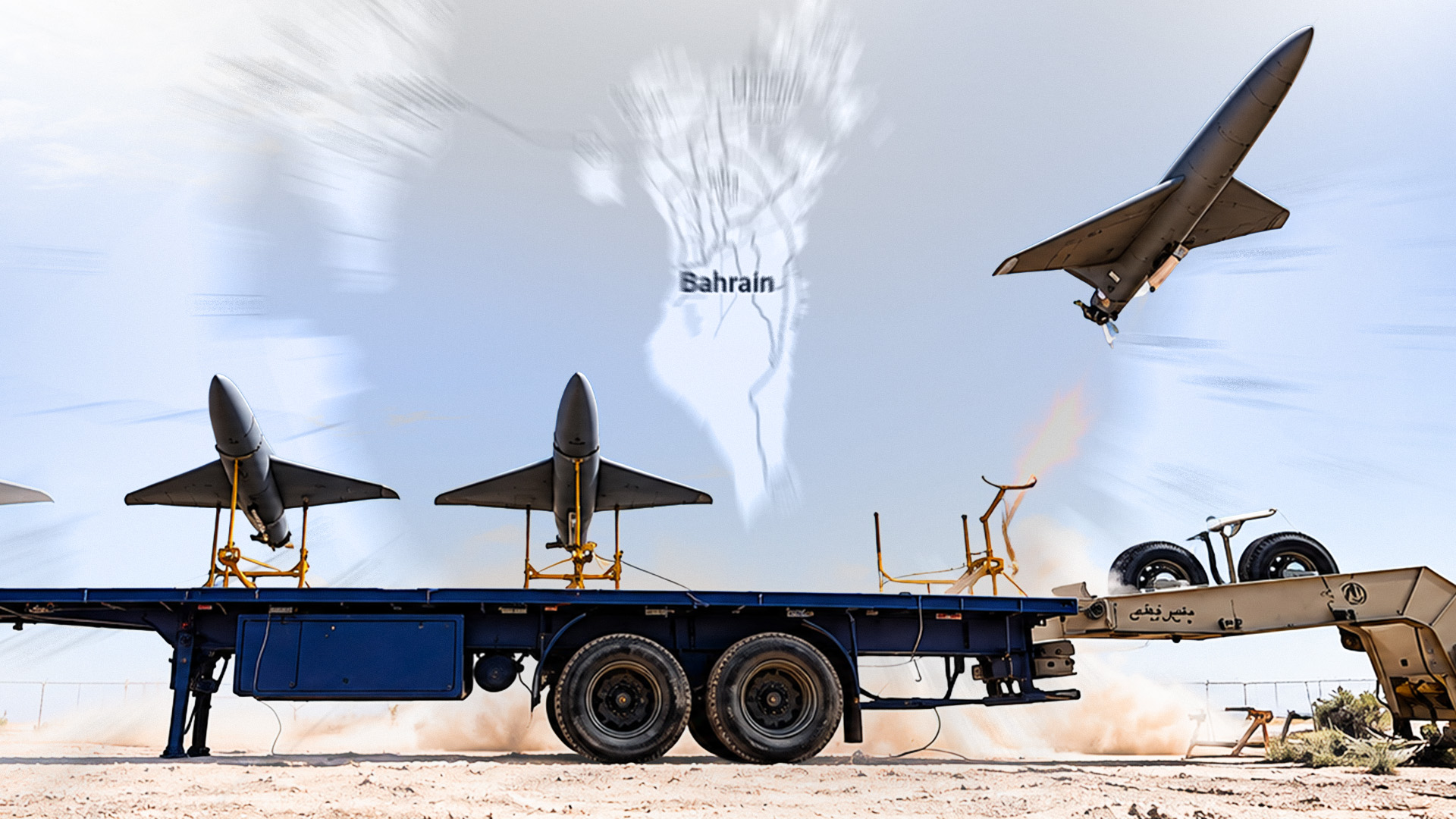
A Surprising Skirmish in the Gulf
In an unexpected move that has captured global headlines, Bahrain’s air defense units recently shot down a swarm of Iranian‑made drones over the kingdom’s airspace.
The incident, which unfolded amid heightened tensions in the region, was confirmed by the kingdom’s military and quickly rippled through international news feeds.
Why the US Is Watching
The United States, whose search traffic for this story now tops 20,000 queries, sees the episode as a bellwether for broader Middle East stability.
Analysts note that Washington’s keen interest reflects both strategic concerns and the desire to gauge how quickly regional actors can respond to aerial threats.
Bahrain’s Air Defense Response
According to the latest RSS feed from the kingdom’s defense ministry, the interception was carried out using a combination of radar tracking and surface‑to‑air missile systems.
While the exact number of drones taken down isn’t specified, the swift action underscores Bahrain’s growing capability to protect its airspace.
The Iranian Drone Campaign
Tehran has been accused of deploying low‑cost, disposable drones as part of a broader campaign to pressure neighboring states and test the limits of their air defenses.
These unmanned aerial vehicles, often equipped with simple cameras or payloads, have become a cheap yet potent tool in the regional power play.
Implications for Regional Security
The episode adds another layer to the already complex security calculus that includes Saudi Arabia, the United Arab Emirates, and Qatar, each watching closely for signs of escalation.
For the US, the data point of 20,000+ searches suggests a public appetite for real‑time updates on such flashpoints, pushing media outlets to prioritize rapid coverage.
Public Reaction and Media Coverage
Social media buzz has been intense, with users sharing footage of the drones descending in flames and debating the broader geopolitical ramifications.
Major outlets have framed the story as a decisive moment that could reshape alliances and influence future diplomatic overtures.
What This Means for Future Flights
Airlines operating in the Gulf may need to reassess routing and security protocols, especially as the region continues to see intermittent aerial incursions.
The heightened alert levels in Bahrain could serve as a template for other nations facing similar drone threats, prompting a wave of upgraded counter‑drone measures.
Looking Ahead: Diplomatic and Military Steps
Diplomats from the US and Gulf Cooperation Council are expected to convene soon to discuss de‑escalation measures and potential joint patrols.
Military officials hint that the incident may accelerate the deployment of more sophisticated detection systems, though no official timelines have been released.