

News
Artex Surge: 400% Rise in US Searches
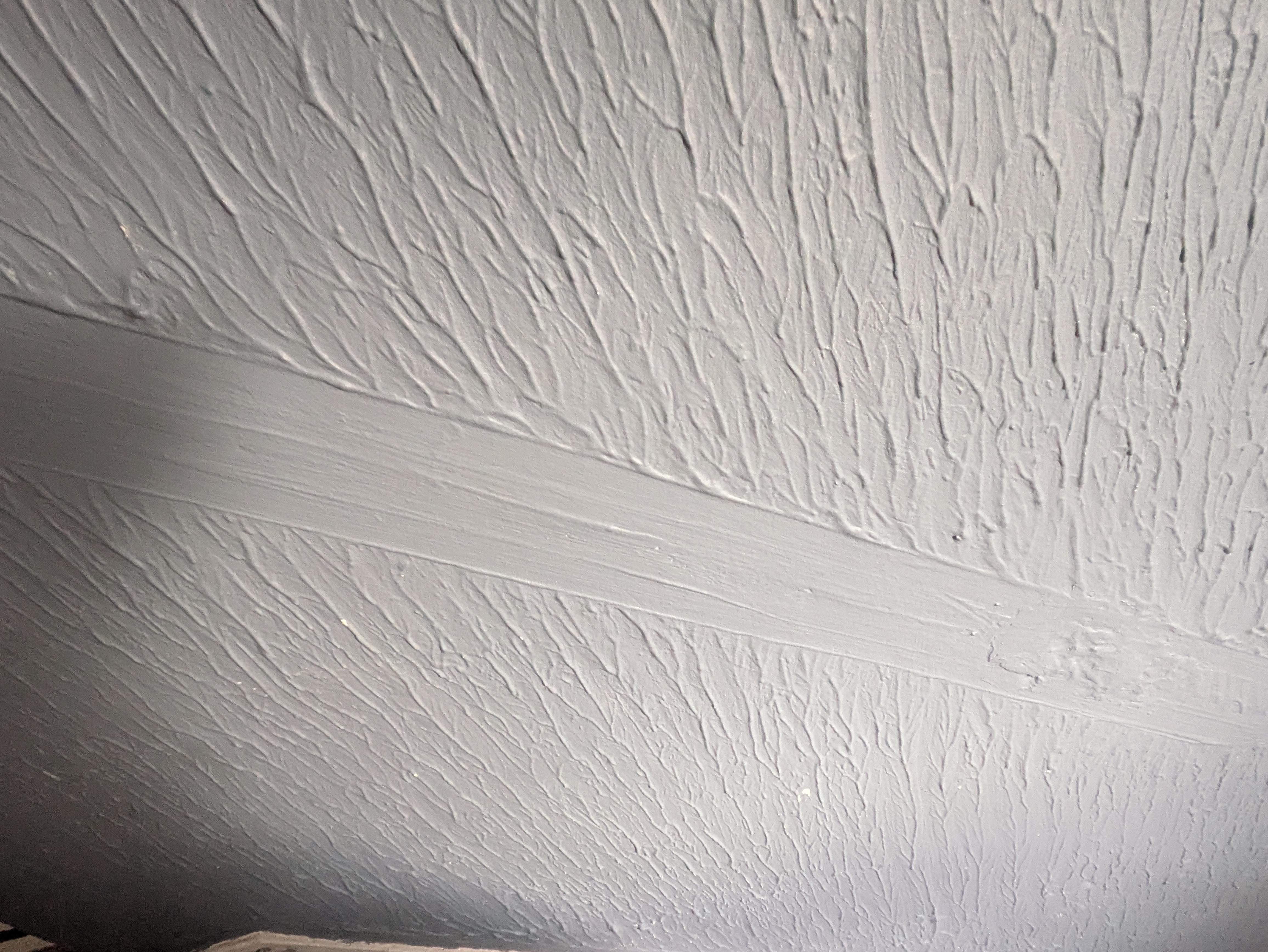
What Is Artex and Why It’s Trending Now
If you’ve been scrolling through the latest buzz on the internet, you’ve probably stumbled on the word “artex” popping up everywhere, especially in the United States. The term, which originally described a brand of textured plaster used in home renovation, has suddenly surged in search interest, hitting more than 20,000 queries in a single period and climbing a staggering 400% higher than before. That kind of jump doesn’t happen by accident – it signals that something is catching the public’s imagination, and in this case the catalyst appears to be a blend of curiosity about a familiar material and the rising buzz around artificial intelligence.
The data, pulled from a serpapi query on November 18, 2026 at 11:01:04, shows a clear upward trajectory that’s hard to ignore. While the exact context of each search isn’t disclosed, the sheer volume tells us that people are actively looking for information, whether they’re homeowners considering a remodel, marketers spotting a new keyword, or tech enthusiasts linking the name to AI developments.
The Numbers Behind the Surge
A 400% increase means the current search volume is four times what it was at the baseline, a jump that would make any analyst sit up and take notice. For a country like the United States, where search habits are diverse and competitive, breaking through the noise to reach a 20,000+ threshold is no small feat. It suggests that the term is resonating across different demographics, from DIY enthusiasts to tech startups scouting for fresh concepts.
The source of this traffic, serpapi, is a well‑known API that aggregates search engine results, giving us confidence that the figures reflect real user behavior rather than bot traffic. The timestamp of the fetch – 2026‑11‑18 11:01:04 – places the data squarely in the present moment, meaning the trend is still fresh and potentially still climbing.
Artex Meets AI: A New Frontier
One of the most intriguing side notes in the related rising searches is “artex ai.” The pairing hints that people are not just looking for a paint brand; they’re connecting the word to artificial intelligence, perhaps because a startup or research project has rebranded itself under the artex moniker. This cross‑pollination is typical of today’s digital ecosystem, where a catchy name can bridge physical products and cutting‑edge tech.
The theme label “AI” that accompanies the trend reinforces this connection. It suggests that the conversation around artex may be moving beyond the walls of a construction site and into boardrooms, labs, and even policy discussions. In other words, the term is becoming a shorthand for a broader dialogue about how AI is being integrated into everyday tools and services.
FBI’s Interest in Artex: What We Know
Another related rising query is “fbi,” which shows up alongside artex in the trend data. While we can’t confirm any official investigation, the proximity of the two terms indicates that law enforcement or security agencies might be taking notice of something tied to the name. In the absence of concrete statements, the speculation ranges from data‑privacy concerns to potential misuse of AI‑driven tools under the artex brand.
It’s worth remembering that the FBI often monitors emerging technologies that could pose national security risks. If artex ai is indeed a genuine development, the agency’s interest could be a signal that the technology warrants close scrutiny, especially if it involves large‑scale data collection or automated decision‑making.
From Construction to Digital: The Many Faces of Artex
Historically, artex has been synonymous with a particular type of textured finish applied to interior walls, giving rooms a distinctive, almost tactile quality. That legacy gives the term an instant visual hook, which may help explain why it’s resonating now in a visual‑first culture driven by social media.
But the digital twist changes the game. If a company or research group has adopted the name for an AI platform, the word instantly evokes images of sleek interfaces, data visualizations, and innovative solutions. The juxtaposition of a centuries‑old building material with futuristic technology creates a narrative tension that captures attention and fuels curiosity.
Why the US Is the Hotspot
The United States naturally dominates the search landscape for a term like artex, simply because of its massive population and high internet penetration. Moreover, the country’s cultural mix – from home improvement shows on television to tech hubs in Silicon Valley – creates fertile ground for a term to spread across different niches.
The nation’s openness to experimental AI projects also plays a role. Startups and established firms alike are eager to test new branding strategies, and a name that feels both familiar and novel gives them a competitive edge in a crowded market.
Consumer Reaction and Market Momentum
Early adopters on platforms like Twitter and Reddit have started sharing screenshots of search spikes, memes, and personal anecdotes about encountering the term in unexpected places. This organic buzz amplifies the initial 400% surge, turning a statistical blip into a cultural moment.
Brands that can ride this wave – by offering genuine products or services linked to artex, whether it’s a new line of textured paint or an AI tool that leverages the name – stand to gain significant visibility. The key is authenticity; forced attempts to cash in may backfire if the public perceives the effort as opportunistic.
Challenges and Skepticism
Not everyone is convinced that the surge reflects a sustainable interest. Some critics point out that search spikes can be driven by viral moments rather than lasting demand, especially when the term is ambiguous and can be associated with multiple unrelated topics.
Additionally, the lack of clear definition around artex ai leaves room for misinformation. Without transparent explanations from the entities behind the name, consumers and regulators may remain wary, which could temper the long‑term impact of the trend.
What the Future Might Hold
If the current trajectory continues, we could see artex become a keyword tied to a specific AI application, perhaps a platform that offers textured data visualization or a smart‑home feature that mimics the look of traditional plaster while delivering digital insights.
From a policy perspective, the FBI’s involvement – even if speculative – may prompt discussions about data governance, privacy standards, and the ethical use of AI technologies that bear a familiar, non‑technical name. How those conversations unfold will shape whether artex stays a fleeting buzzword or evolves into a lasting industry term.
Key Takeaways
Artex is experiencing a 400% surge in US search interest, with volumes topping 20,000 queries, according to serpapi data captured on November 18, 2026.
The trend intertwines a historic construction material with emerging AI themes, as indicated by related searches for “fbi” and “artex ai.”
While consumer enthusiasm is evident, the lack of precise definition and potential regulatory scrutiny suggest the trend’s longevity will depend on how clearly the technology is presented and adopted.
For marketers, the takeaway is clear: a compelling, authentic story around the artex name can unlock significant visibility in a market that’s actively searching for the next big thing.