

Finance
VIX Surge: 200% Spike in US Search Interest
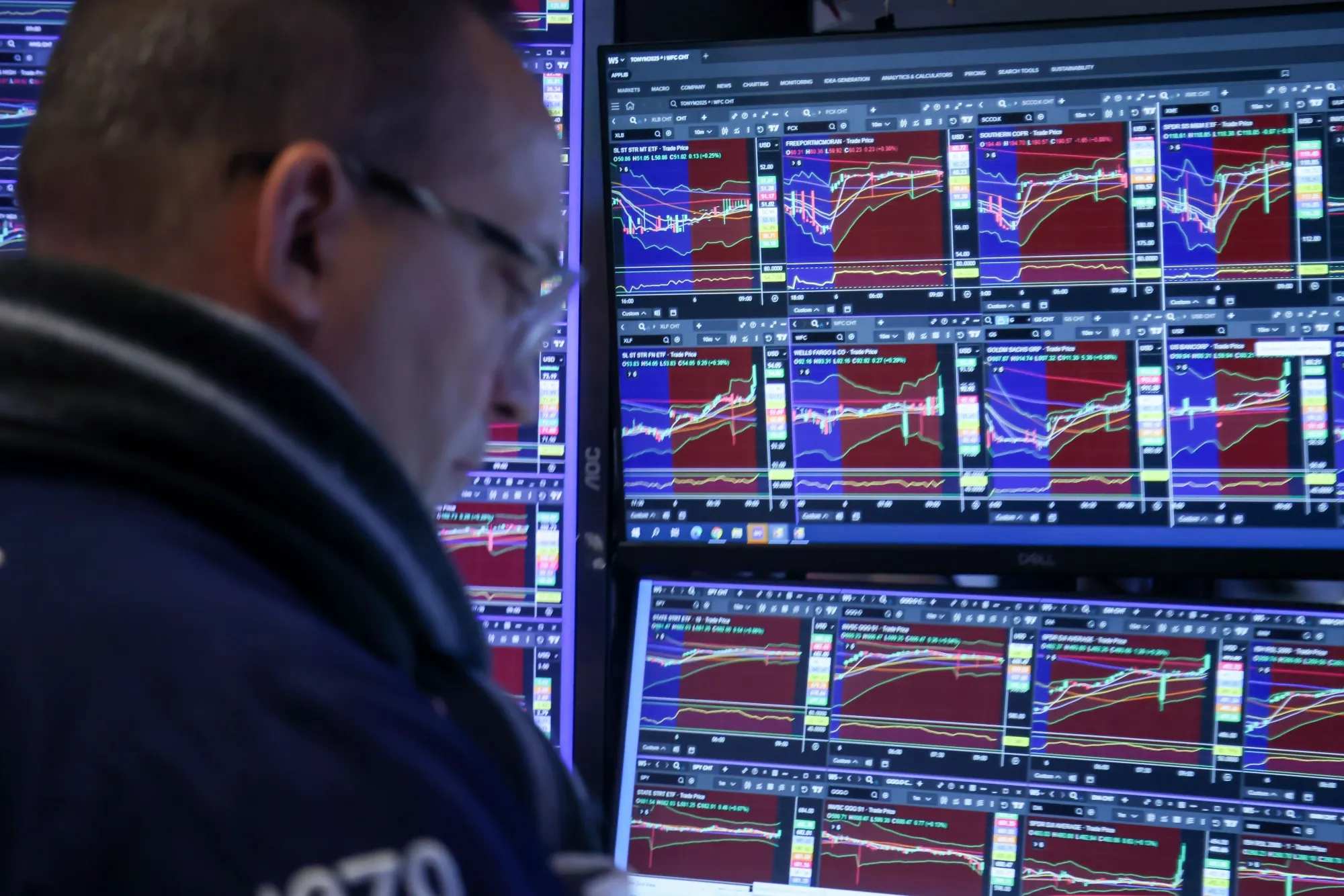
What Is the VIX and Why It Matters
The VIX, officially known as the CBOE Volatility Index, is a real‑time gauge of how much the S&P 500 is expected to swing over the next 30 days.
Think of it as the market’s pulse‑check: when the number climbs, investors sense heightened fear or uncertainty.
Because it’s derived from options prices, the VIX reflects what traders are pricing in for future moves, making it a go‑to metric for anyone watching the equity market.
The 200% Surge: Numbers Behind the Trend
According to Serpapi data, search interest for "vix" topped 20,000+ in the United States and the term has risen by a staggering 200% recently.
The spike was captured on November 21, 2026, and it coincides with a wave of market turbulence that has left many retail investors scrambling for answers.
How Traders Are Reacting to the VIX Spike
Day‑traders and institutional desks alike are glued to the VIX, using its moves to time entries and exits in stocks, ETFs, and volatility‑linked products.
Some are scaling up positions in VIX futures and options, betting that the jitter will persist, while others are trimming risk exposure, wary of a sudden reversal.
VIX Stock vs. VIX Index: Clarifying the Confusion
The phrase "vix stock" often leads people to think there’s a tradable share called VIX, but the index itself is not a stock; it’s a measurement derived from options.
Meanwhile, "vix index" correctly points to the CBOE volatility index, and the related search term "cboe volatility index" shows that users are trying to locate the exact source of the data.
The Role of the CBOE Volatility Index in Market Sentiment
Nicknamed the "fear gauge," the CBOE VIX spikes when investors expect big moves, and it falls when complacency dominates the market.
The current 200% increase underscores a shift in sentiment: recent headlines about earnings swings and macro‑economic jitters have pushed the index higher, reinforcing its reputation as a barometer of nervousness.
Why Marketing Professionals Are Watching VIX
Marketers keep an eye on the VIX because spikes often precede changes in consumer confidence, prompting brands to tweak messaging or timing of campaigns.
The trend’s theme label "Marketing" in the data shows that agencies are aligning content calendars with the buzz, using the volatility narrative to add urgency or relevance.
Historical Context: Past Peaks and Current Comparisons
The VIX has erupted before, notably during the 2008 financial crisis and the 2020 pandemic sell‑off, each time dwarfing normal levels.
What sets the present 200% jump apart is its speed: the 20,000+ search volume suggests a digital‑first curiosity that didn’t exist in earlier eras, when news traveled more slowly.
Tools and Data Sources Traders Use to Track VIX
Professionals turn to platforms like Bloomberg, Reuters, and dedicated VIX trackers that provide live charts, historical averages, and real‑time alerts.
The surge has driven additional traffic to these services, feeding the 20,000+ search metric and confirming that the VIX remains a focal point for market participants.
Implications for Investors and the Broader Economy
A high VIX can signal tighter financial conditions, influencing everything from mortgage rates to corporate borrowing costs, which ripples through the wider economy.
Investors may rebalance portfolios toward defensive assets or volatility products, while policymakers watch for signs that sustained volatility could stress credit markets.
Looking Ahead: What the VIX Surge Could Mean for the Coming Months
If volatility stays elevated, markets may price in higher risk premiums for assets, and credit spreads could widen, affecting both trading strategies and consumer sentiment.
The sustained interest in the VIX keeps it in the spotlight, meaning both traders and marketers will likely continue to reference the index as a shorthand for market health in the months ahead.