

Finance
Why UK Investors Are Watching the Fed Like a Hawk: A 1,000% Surge in Interest Rate Talk
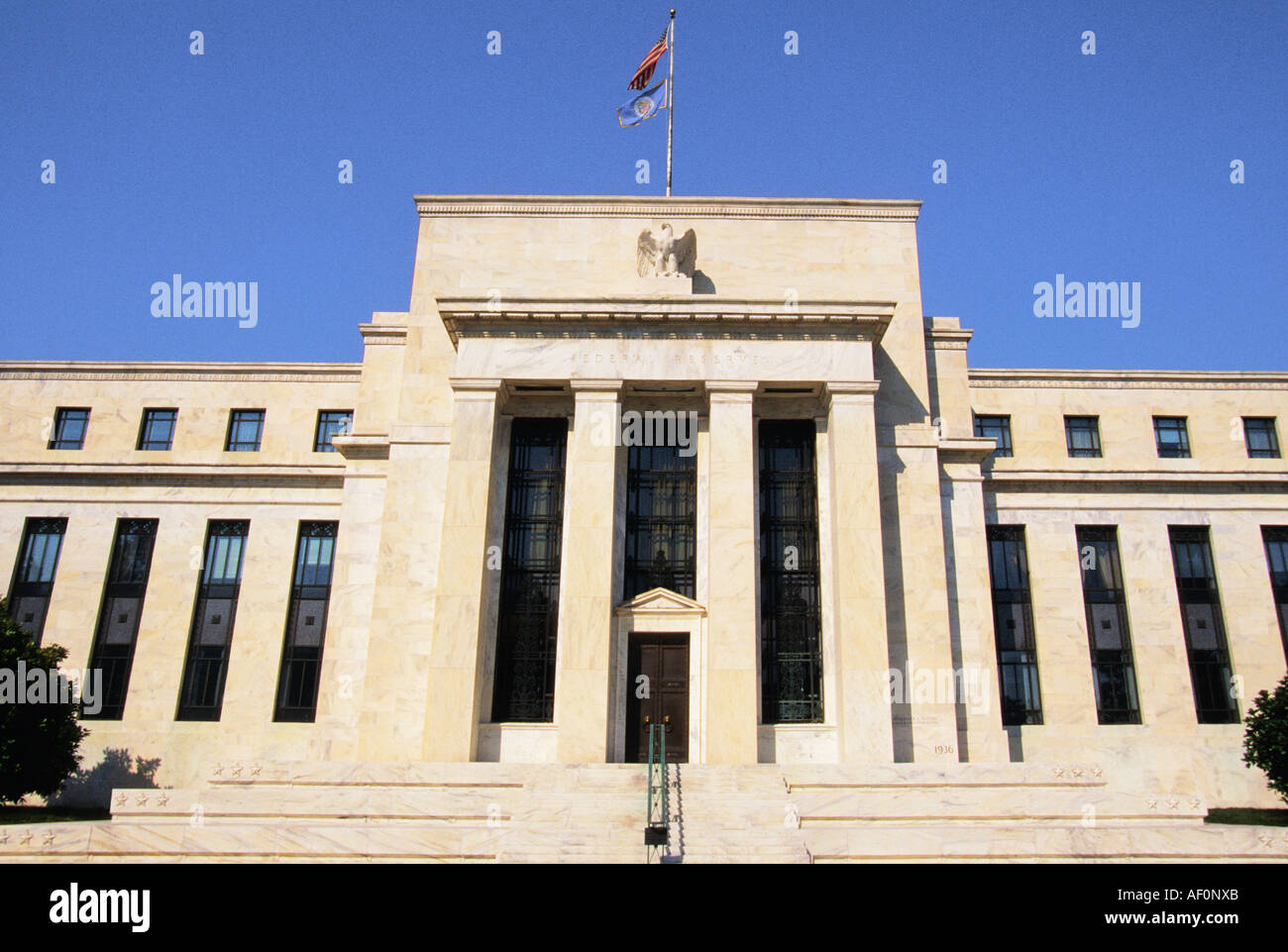
A Storm Brewing Across the Atlantic
It’s not often that a specific economic term from across the pond sends shivers down the spines of investors in London, but lately, it feels like the entire city is holding its breath. The buzzword on everyone’s lips isn't just about inflation or housing prices; it’s about the Federal Reserve and those dreaded interest rates. According to the latest data fetched on September 17, 2026, search interest for "federal reserve interest rates" within the United Kingdom has skyrocketed by a staggering 1,000%. That isn't a typo. We are talking about a volume of over 5,000 searches in a single day, a number that suggests something significant is rattling the financial cages of the British public.
Why now? Why the sudden obsession with a central bank that technically sits thousands of miles away in Washington? The answer lies in the interconnectedness of modern finance. When the US Federal Reserve moves its needle, the ripple effects don't stay contained within American borders. They wash up on the shores of the City of London, impacting everything from the value of the pound sterling to the performance of FTSE 100 companies. It is a classic case of distant thunder causing local rain, and right now, the forecast looks stormy.
The Numbers Tell a Story of Anxiety
Let’s break down the sheer scale of this spike. A 1,000% increase in search traffic is not a minor fluctuation; it is a signal flare. In the world of digital analytics, such a jump usually indicates a breaking news event or a major policy shift that has captured the public imagination. With the source data coming from SERP API, we know these aren't just casual queries. People are typing in "fed rate decision," "FOMC meeting," and "us interest rate" with purpose. They are looking for answers, trying to make sense of the volatility that seems to be plaguing the stock market today.
This surge coincides with a period of heightened tension in the broader market. Keywords related to the Dow Jones Industrial Average and the S&P 500 are rising in tandem. It paints a picture of a market that is jittery, waiting for a signal from the Fed to either buy or sell. For the average Brit, this translates into real-world stakes. Whether it's a mortgage application, a savings account return, or the value of their retirement fund, the decisions made by the Federal Open Market Committee (FOMC) have direct consequences for the household budget in Manchester, Bristol, and beyond.
Kevin Warsh and the Ghost of Past Crises
Amidst the sea of data points and ticker symbols, one name keeps appearing in the related search trends: Kevin Warsh. As a former member of the Federal Reserve Board, his voice carries weight. When figures like him weigh in on the current trajectory of interest rates, it adds a layer of historical gravity to the conversation. His presence in the search results suggests that investors are digging deeper than just the headlines. They want context. They want to understand if we are repeating patterns from previous decades or if we are navigating uncharted waters.
Warsh’s involvement in discussions around the "fed rate" often brings up memories of past economic turbulence. In an era where memory is short but financial scars run deep, referencing a figure associated with high-stakes monetary policy serves as a reminder of how quickly things can change. It’s a psychological trigger for many investors who remember when interest rate hikes crushed asset bubbles. Now, with the trend climbing, the question on everyone's mind is whether the Fed is preparing to tighten the screws again, or if they are ready to cut rates to stimulate growth.
The Domino Effect on UK Markets
You might wonder why a British journalist is writing about an American central bank. The reality is that the UK economy is no longer an island fortress; it is part of a global ecosystem where capital flows freely. When the Fed decides to raise rates, borrowing becomes more expensive globally. This impacts the cost of capital for UK businesses looking to expand, invest in new technology, or simply keep the lights on. The correlation between the US interest rate and the UK's own economic health has never been stronger.
Furthermore, the stock market news today is dominated by the anticipation of the Fed's next move. If the US raises rates, the dollar strengthens, which can hurt UK exporters who find their goods more expensive abroad. Conversely, if the Fed cuts rates, it could lead to a weaker dollar and a stronger pound, potentially helping importers but hurting export-driven sectors. The S&P 500 and the Dow Jones are often seen as barometers for global sentiment. When these indices wobble due to Fed uncertainty, the London Stock Exchange rarely stays still for long.
Decoding the Jargon: What Does 'Fed Decision' Actually Mean?
For those tuning in from outside the financial district, the terminology can feel like a foreign language. Terms like "FOMC meeting," "fed rate," and "dow jones industrial average" are tossed around casually in news broadcasts, yet their implications are profound. Simply put, the FOMC is the group of officials who decide the target range for the federal funds rate. This is the interest rate at which banks lend money to each other overnight. When they adjust this rate, it trickles down to mortgages, credit cards, car loans, and business lines of credit.
The recent spike in searches for "fed rate decision" indicates that people are trying to demystify this process. They want to know how a vote in Washington translates to a higher monthly bill in Birmingham. It’s a demand for transparency and understanding. The market hates uncertainty, and until the Fed makes its official announcement, the anxiety will remain palpable. Investors are scanning every word from every speech, every statement, and every hint dropped by policymakers to gauge the direction of travel.
Global Implications for the UK Economy
The impact extends far beyond just the stock market. A shift in US interest rates influences the Bank of England’s own strategy. If the Fed keeps rates high for too long, it forces the BoE to maintain higher rates to prevent capital flight from the UK. This creates a delicate balancing act for British policymakers. They must navigate domestic inflation concerns while keeping an eye on the transatlantic giant. The interplay between the two central banks is a complex dance that determines the economic rhythm for millions of workers.
Moreover, the currency markets react instantly to these signals. A strong dollar often comes at the expense of the pound. For travelers planning holidays to the US, this is good news. For UK businesses importing raw materials from America, it is bad news. The ripple effect touches every corner of the economy, from the price of petrol at the pump to the cost of imported electronics in High Street stores. The 1,000% surge in search traffic reflects a population that is acutely aware of these connections and is actively seeking to protect their financial interests.
What Investors Should Watch Next
So, what should you be watching as the days tick by? The focus remains squarely on the upcoming FOMC meeting. Every statement released by the Federal Reserve will be dissected for clues about future rate paths. Will they pause? Will they hike? Or will they signal a pivot toward easing? These are the questions driving the 5,000+ daily searches in the UK. Related topics like "stock market news today" and "s&p 500" suggest that traders are positioning themselves based on these expectations.
Investors are also keeping a close eye on economic data releases that might influence the Fed's decision. Inflation reports, employment numbers, and GDP growth figures all play a role in shaping the narrative. The market is essentially a giant prediction engine, constantly adjusting its odds based on new information. With Kevin Warsh and other experts weighing in, the debate is fierce. The key is to look beyond the noise and identify the underlying trends that will dictate the market's behavior in the coming months.
Preparing for Volatility
In times of such heightened interest, the advice from seasoned analysts is clear: prepare for volatility. The 1,000% increase in search volume is a symptom of a market that is on edge. It is a sign that confidence is fragile and that investors are bracing for impact. Diversification remains the golden rule. Spreading investments across different asset classes and geographies can help mitigate the risks associated with a single policy decision.
For the average person, this doesn't mean panic selling or rushing to cash out. Instead, it means staying informed and making calculated decisions. Understanding the mechanics of the Federal Reserve helps in making better choices about savings, investments, and debt management. The goal is to build resilience against the shocks that come from global monetary policy shifts. By keeping an eye on the Fed and understanding its influence, UK residents can navigate these turbulent waters with greater confidence.
The Road Ahead
As we move forward, the relationship between the Federal Reserve and the UK economy will continue to be a defining feature of the financial landscape. The current surge in search interest is likely just the beginning. As the FOMC meeting approaches and the dust settles, we will see how the markets react and whether the fears expressed in those 5,000+ searches were well-founded. One thing is certain: the era of isolated economic policies is over. We live in a connected world where a decision in Washington echoes loudly in London.
Whether the outcome is positive or negative, the lesson is clear. Staying informed is power. By paying attention to the "fed rate decision" and understanding the broader context, individuals and businesses alike can position themselves to thrive regardless of the direction the wind blows. The Federal Reserve may be far away, but its influence is right here, right now, shaping the economic reality for everyone in the UK.