

News
Workday Outage Surge: 50,000+ Searches, 1000% Spike
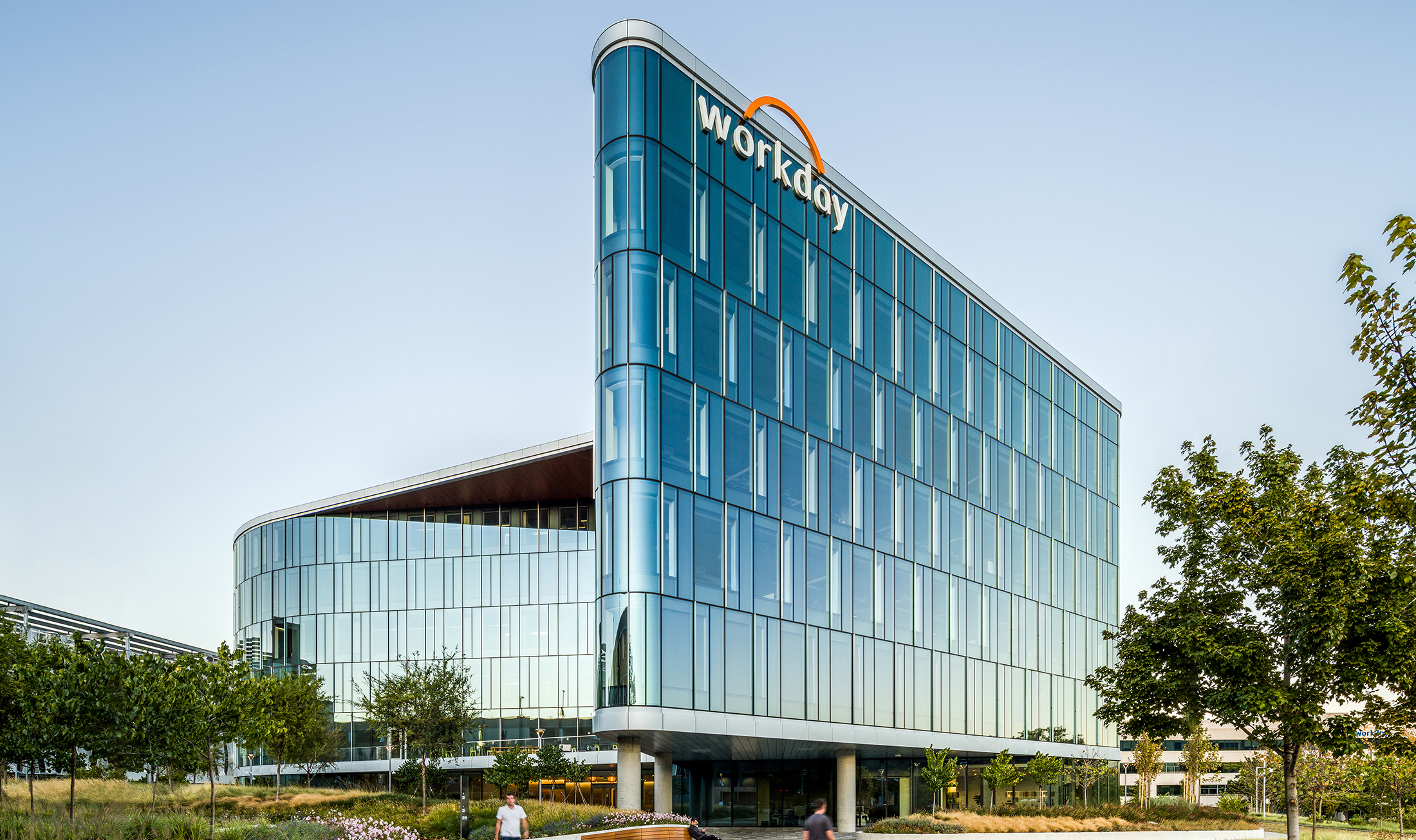
The sudden spike that caught everyone's eye
When the Workday outage lit up search bars across the United States, it felt like the whole country hit pause.
The surge, captured by SerpAPI on November 14, 2026, showed a staggering 1000% jump in interest, pushing the query volume past the 50,000 mark. For a platform that already serves millions of employees daily, that kind of spike is impossible to ignore, and it sent ripples through boardrooms, HR departments, and coffee breaks alike.
Numbers that speak louder than words
At its core, the metric is simple: more than 50,000 people typed “workday” into Google, Bing, or Yahoo in a single day, a figure that dwarfs typical daily traffic for most niche tech topics.
The 1,000% increase isn’t just a random spike; it’s a signal that something broke, or at least something that people expected to stay stable. The data, pulled directly from the serpapi database, tells us the trend was flagged as “workday outage” and related queries like “is workday down” surged alongside it.
In plain English, the numbers scream urgency.
AI’s role in the workday chatter
The theme label attached to this trend is AI, hinting that artificial intelligence may have played a part in either detecting the outage or fueling the conversation around it.
While we can’t pinpoint a specific AI algorithm that caused the downtime, the buzz certainly reflects how modern workplaces rely on AI‑driven tools within Workday – from predictive analytics in HR to automated scheduling. When those back‑end services hiccup, the ripple effect is felt across the entire employee experience.
When the platform goes dark, the office lights up
Employees logging in to find a blank screen or an error message often resort to the old‑fashioned water cooler chat, even if the water cooler is now a Slack channel.
For many, the outage meant delayed payroll processing, missed deadlines, and a scramble to manually pull reports that normally flow through the cloud. The frustration is palpable, and it’s not just a tech glitch – it’s a disruption to the rhythm of daily work.
In short, the outage turned a routine day into a scramble.
Behind the scenes: what could cause a massive outage
While the exact technical cause remains unconfirmed, large‑scale outages often stem from a combination of infrastructure strain, software bugs, or third‑party service failures.
Given Workday’s reliance on massive data centers and continuous API integrations, a sudden traffic surge or a misconfigured update could have triggered a cascade that took services offline. The lack of precise public details means speculation is rife, but the pattern matches known failure modes in cloud‑heavy platforms.
Social media erupts: memes, frustrations, and fixes
Twitter, Reddit, and LinkedIn lit up with a mix of humor and genuine concern. Users shared screenshots of error messages, crafted memes about “Workday’s nap time,” and posted quick work‑arounds like using mobile apps or alternative browsers.
Some IT managers used the moment to test their disaster‑recovery plans, while others simply posted “We’re working on it” updates, trying to reassure their teams.
The online chatter amplified the search spike, creating a feedback loop that kept the trend alive.
What’s on the horizon for Workday
In the wake of the surge, the company’s engineering teams likely faced an intense review of system capacity, monitoring alerts, and incident response protocols.
Public statements, when they come, will aim to restore confidence, outline steps taken to prevent recurrence, and perhaps hint at upcoming AI‑enhanced resilience features that could mitigate future outages.
Key takeaways for companies and users
First, diversify your HR tech stack – rely on more than one platform for critical processes like payroll or time tracking.
Second, maintain clear communication channels; a quick internal memo can turn panic into coordinated action.
Finally, keep an eye on the data – spikes like this are early warnings that deserve immediate attention.