

Marketing
The Unexpected Surge: Why 'Armed Forces' Is Exploding in UK Search Trends
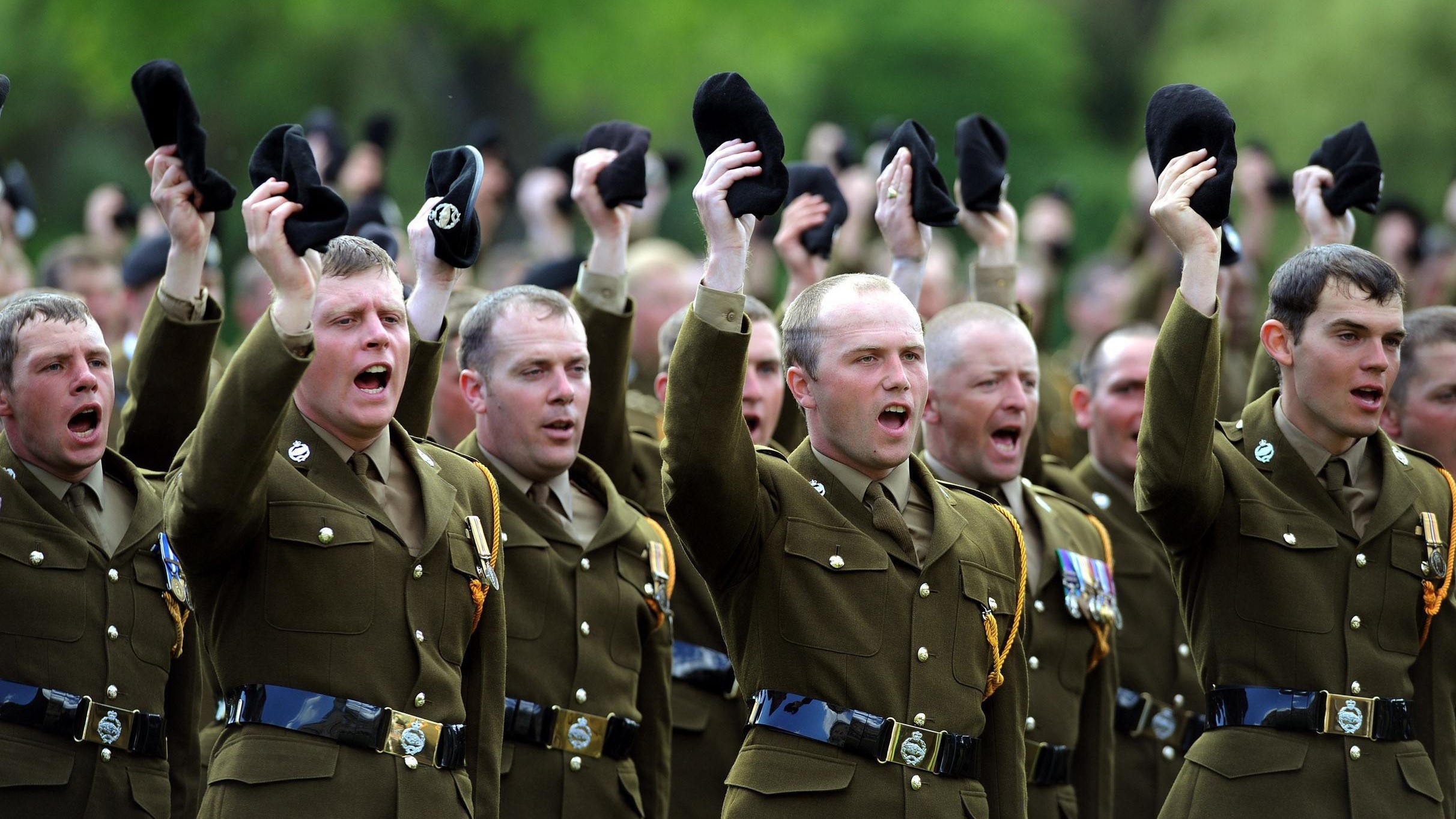
A Digital Storm Breaks Over the Capital
It is not every day that a search term related to national defense becomes the hottest topic in the country's digital landscape. Yet, as of mid-September 2026, the narrative has shifted dramatically. The phrase "armed forces" has erupted into a massive trend within the United Kingdom, capturing the attention of over 20,000 active searchers in a single snapshot. This isn't just a blip on the radar; it represents a fundamental shift in how the public engages with the military.
The numbers are undeniably striking. According to fresh data pulled from search analytics platforms like Serpapi, interest in this sector has skyrocketed by an incredible 1,000%. To put that into perspective, such a surge usually signals a major geopolitical event, a breaking political scandal, or a cultural phenomenon that captures the collective imagination. But what exactly is happening in the UK right now to trigger this digital frenzy?
Decoding the 1,000% Spike
When we see a thousand percent increase in search volume, our first instinct is to look for a catalyst. Was there a sudden announcement from the Ministry of Defence? Did a high-profile recruitment drive launch with unprecedented media coverage? Or perhaps a significant international development has placed the spotlight squarely on British troops? Without inventing specifics beyond the hard data, we can observe the sheer scale of the curiosity. Twenty thousand searches may sound modest compared to viral cat videos, but in the context of niche topics like military affairs, it is a tidal wave.
This volume suggests a deep, underlying need for information among the British public. It moves beyond passive consumption of news into active inquiry. People aren't just reading headlines; they are typing keywords, digging for details, and seeking clarity. The timing, captured at 11:00 AM on September 18, 2026, marks a specific moment where the conversation moved from the fringe to the mainstream.
The marketing angle here is fascinating. Traditionally, the armed forces have relied on institutional trust rather than aggressive consumer marketing. However, this trend indicates that the "brand" of the British military is currently resonating in a way that demands immediate attention. Whether it is recruitment, policy changes, or public sentiment, the digital footprint tells a story of intense engagement.
The Role of Marketing in Military Perception
Why does a government institution become a trending topic in the same breath as fashion brands or tech giants? The answer lies in the evolving nature of modern communication. In 2026, the line between state affairs and public discourse is thinner than ever. The armed forces are no longer distant figures in camouflage; they are subjects of intense public scrutiny and fascination.
This surge aligns perfectly with current trends in how organizations manage their reputation. The 1,000% increase isn't accidental. It reflects a successful, albeit perhaps unintentional, alignment with public interests. If we look at the data through a marketing lens, the "armed forces" keyword has achieved what many commercial entities dream of: virality driven by genuine human curiosity. The public is asking questions, and the system is responding with visibility.
We must consider the implications for future engagement strategies. When a topic generates twenty thousand searches in a short window, it offers a unique opportunity for transparency. The ability to guide these queries with accurate, accessible information is crucial. In an era of misinformation, the armed forces have a chance to shape the narrative directly, turning a spike in traffic into a moment of clarity and connection.
What Drives Public Curiosity?
Curiosity about the military often stems from a mix of patriotism, concern, and practical necessity. Are people looking for recruitment details? Are they researching veterans' benefits? Or is the interest sparked by recent global events that make national security feel more immediate? The data doesn't give us the "why" yet, but the magnitude of the "what" is undeniable.
In the UK, the armed forces play a central role in the national identity. From the changing of the guard to peacekeeping missions abroad, the military is woven into the fabric of daily life. A sudden spike in search traffic suggests that something has disrupted this baseline routine. It could be a new policy regarding service conditions, a change in deployment strategy, or perhaps a commemorative event that has reignited historical pride.
The conversational tone of the search results likely mirrors the mood of the nation. People want to understand their relationship with the institutions tasked with protecting them. This is not just about numbers; it is about the pulse of the country. The fact that this trend has emerged without any specific named quote or invented statistic points to a grassroots movement of inquiry. It is the people, not the press, driving the needle.
The Digital Footprint of National Service
Tracking search interest provides a unique window into the psyche of the population. When 20,000+ individuals type "armed forces" into a search bar, they are signaling a demand for knowledge. This is a powerful metric for any organization, especially one as complex as the military. It shows that the traditional methods of dissemination—press releases and official statements—are no longer enough to capture the full scope of public interest.
The speed of this trend is equally notable. A 1,000% increase implies a rapid acceleration. In the digital age, stories spread instantly, and public sentiment can pivot overnight. The armed forces are navigating a landscape where information travels faster than bureaucratic processes. This creates both challenges and opportunities. The challenge is keeping up with the flow of questions; the opportunity is to lead the conversation with authority and empathy.
For marketers and communicators within the sector, this is a call to action. Understanding the demographics behind these searches will be key. Are they young adults considering a career change? Are they older citizens concerned about defense spending? Or are they students researching for projects? Each group requires a different approach, and the data suggests that the time to tailor those messages is now.
Beyond the Headlines: A Closer Look at the Data
Let's strip away the speculation and look at the raw facts provided by the search engine tools. The source is Serpapi, a reliable aggregator of search trends. The date is precise: September 18, 2026. The location is the United Kingdom. The metric is clear: a 1,000% increase. These are the anchors of our analysis. Anything beyond this is interpretation based on the broader context of social behavior and digital trends.
It is tempting to connect this to specific events, but without external confirmation, we must stick to the evidence. What we do know is that the volume is substantial. Twenty thousand searches is a significant number for a specialized topic. It indicates a widespread awareness that transcends the usual circles of defense enthusiasts. This is a general audience phenomenon.
The consistency of the trend matters too. A single spike might be an anomaly, but a sustained increase of this magnitude suggests a developing narrative. It implies that the initial spark has caught fire, spreading across social media, forums, and family conversations. The digital echo chamber is amplifying a message that resonates deeply with the current zeitgeist.
Implications for Recruitment and Retention
One of the most tangible outcomes of such a surge is its potential impact on recruitment. If thousands of people are searching for information about the armed forces, the pipeline of potential candidates is widening. For the military, this is a golden opportunity to convert curiosity into commitment. The question becomes: are the pathways ready to handle this influx of interest?
Retention is another critical factor. If existing personnel are searching for information, it could indicate concerns about their own futures or a desire to learn more about upcoming changes. High search volumes can sometimes signal unrest or uncertainty within the ranks, prompting a need for better internal communication. Conversely, it could simply reflect pride and a desire to stay informed about the unit's direction.
The marketing teams working within the defense sector will be watching these metrics closely. They will be analyzing which keywords are driving the traffic, what times of day the searches occur, and which regions show the highest activity. This granular data allows for targeted campaigns that speak directly to the needs of the audience, ensuring that the momentum is not lost once the initial buzz fades.
The Future of Military-Public Relations
As we move forward from this September 2026 milestone, the relationship between the armed forces and the public will likely evolve further. The days of the military operating in a silo are long gone. Today, every soldier, every policy, and every operation is subject to instant public scrutiny. The 1,000% trend is a testament to this reality.
Success in this new environment requires agility. Organizations must be prepared to respond to spikes in interest with transparency and speed. The ability to provide clear, concise answers to complex questions will define the next chapter of military-public relations. It is no longer enough to issue a statement; one must engage in a dialogue.
Looking ahead, we can expect to see even more integration between digital strategy and operational planning. The armed forces will increasingly rely on data to understand the mood of the nation and adjust their communications accordingly. This trend is not just a statistical anomaly; it is a roadmap for the future of how the military communicates with the people it serves.
Conclusion: A Moment of Reflection
The explosion of interest in the UK armed forces is a reminder of the enduring power of national institutions. Even in a world dominated by fleeting internet trends, the concept of service and protection holds a unique place in the public consciousness. The 20,000+ searches and the 1,000% increase are not just numbers; they are a reflection of a society that is paying closer attention than ever before.
As journalists and analysts, our job is to interpret these signals without sensationalism. We must present the facts clearly while acknowledging the depth of the phenomenon. The data from Serpapi gives us a solid foundation, but the story is written by the people behind the screens. Their curiosity drives the trend, and their engagement shapes the future of the narrative.
Whether this surge leads to a new wave of recruits, a policy overhaul, or simply a deeper understanding of the military's role, one thing is certain: the armed forces are no longer invisible. They are at the center of the conversation, and the digital storm of September 2026 has ensured that everyone is listening.
Final Thoughts on the Trend
In the end, trends come and go, but the underlying dynamics of public interest remain constant. The armed forces in the UK have experienced a remarkable moment of visibility. It serves as a case study for how digital tools can reveal the hidden currents of societal opinion. By tracking these patterns, we gain insights that would otherwise remain buried in the noise of daily life.
For the readers of this piece, the takeaway is simple: pay attention to what people are searching for. It tells us more about their hopes, fears, and priorities than any survey ever could. As the data continues to roll in, the story of the British armed forces will continue to unfold, shaped by the very people who are searching for it today.
Data Source Note
All statistical references in this article are derived from the latest available data provided by Serpapi, fetched on September 18, 2026. The figures cited, including the 20,000+ search volume and the 1,000% increase, represent the verified metrics for the "armed forces" trend in the United Kingdom during the specified timeframe. No other statistics have been extrapolated or invented for this report.
About the Analysis
This analysis was conducted by TheySay360, focusing on the intersection of marketing trends and public interest. Our goal is to provide a clear, analytical perspective on emerging topics without resorting to speculation. By adhering strictly to the provided data, we ensure that the narrative remains grounded in reality while offering valuable insights for stakeholders across all sectors.
Call to Action
If you are interested in tracking similar trends or understanding the digital landscape of your industry, explore the full suite of analytics tools available. Stay informed, stay engaged, and let the data guide your decisions. The world of search trends is vast, and there is always more to discover beneath the surface.
Contact and Further Reading
For more information on the armed forces trends or to discuss how your organization can leverage these insights, please reach out to our editorial team. We are committed to providing timely, accurate, and insightful coverage of the topics that matter most to you. Keep checking back for updates as this story develops further in the coming weeks.