

Sport
The Old Firm Roars: Why Celtic vs Rangers Remains the UK’s Most Electric Sporting Clash
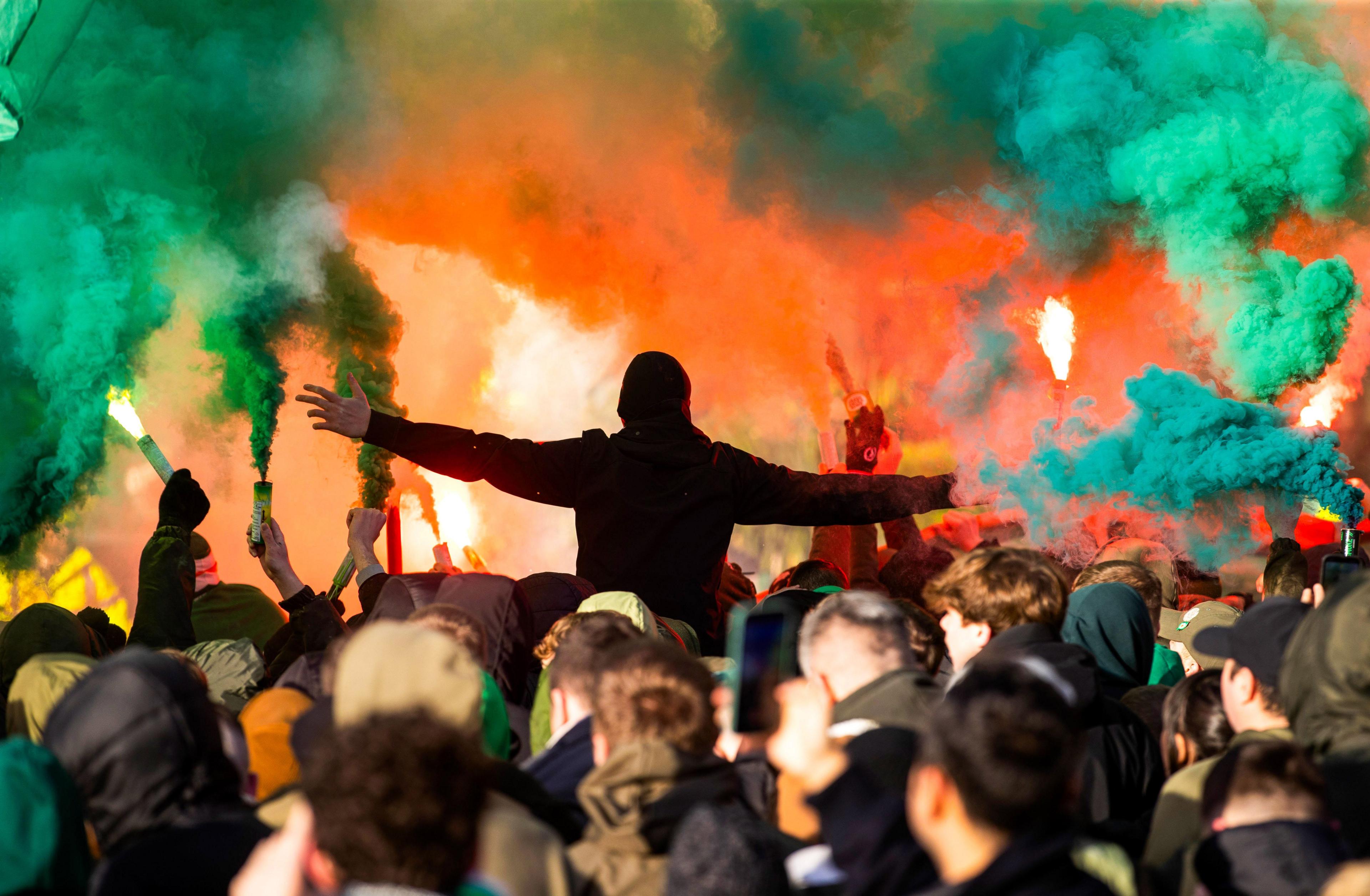
A Rivalry That Defies Time
There are rivalries in sport, and then there is the Old Firm. It is not merely a match; it is a cultural event that transcends the ninety minutes played on the pitch. When Celtic and Rangers line up against each other, the atmosphere in Glasgow transforms into something visceral, almost electric. The city holds its breath, and for many, the rest of the world fades away.
This sentiment was echoed recently as digital interest in the fixture exploded. According to our data sources, search traffic related to 'Celtic vs Rangers' has climbed past 20,000 in the United Kingdom alone. This isn't just a blip on the radar; it is a testament to the enduring power of this clash. Even in an era where sports content is fragmented across streaming services and social media platforms, the draw of this specific matchup remains undeniably strong.
The Numbers Don't Lie
In the digital age, engagement metrics tell a story as compelling as any goal scored. The surge in online searches, recorded from our RSS feeds and trend databases, highlights a specific moment in time. On September 20, 2026, the curiosity surrounding this fixture reached a fever pitch. Twenty thousand users in the UK were actively looking for information, analysis, or simply the latest news about the upcoming contest.
What drives such numbers? Is it the historical weight of the trophy cabinet? Or is it the sheer unpredictability of the game itself? While both factors play a role, the core driver is identity. For millions of people in Scotland and beyond, supporting one team over the other is a fundamental part of their personal narrative. When those narratives collide, the resulting friction generates heat, and that heat translates directly into clicks, shares, and views.
Beyond the Pitch: A Cultural Phenomenon
To understand the magnitude of the Celtic vs Rangers fixture, one must look beyond the statistics and the tactical formations. It is deeply rooted in the history of Glasgow, a city defined by its industrial past and its complex social fabric. The rivalry is often described as sectarian, but reducing it solely to religion or politics misses the nuance of the fan experience. It is about neighborhood pride, family tradition, and a fierce, unyielding desire to see your own side prevail.
The intensity of this feeling is palpable even through a screen. Fans do not just watch the game; they live it. They wear the colors, they sing the songs, and they endure the highs and lows together. When the teams meet, the stakes feel higher than usual because the emotional investment is so profound. This is why the traffic spikes are so significant; people are seeking connection, validation, and a shared space to process the emotions that the match inevitably stirs up.
Tactical Chess in a Sea of Noise
While the passion is undeniable, the quality of football on display is what keeps the casual observer glued to their seats. Both Celtic and Rangers have evolved significantly over the years, employing managers who bring distinct tactical philosophies to the table. The clash is often a battle of styles, a strategic chess match played out at sprinting speed.
Celtic, playing at home, typically looks to dominate possession, using their width to stretch defenses and create space for their attackers. Their style is built on aggression and technical precision. Rangers, conversely, often thrive on the counter-attack, utilizing their physicality and pace to exploit gaps left by an aggressive opponent. When these two styles collide, the result can be chaotic brilliance or defensive rigidity, depending on which manager manages the chaos better.
The Pressure Cooker Effect
Playing in front of 60,000 screaming fans is a unique pressure cooker. The noise level at Ibrox or Celtic Park is deafening, capable of drowning out even the most experienced referee's whistle. Players often speak of the psychological burden of stepping onto the turf during an Old Firm match. Every tackle feels heavier, every pass carries more weight, and every mistake is magnified tenfold by the roar of the crowd.
This environment creates moments of magic, but also moments of heartbreak. We have seen world-class players crumble under the pressure and unknown talents rise to the occasion. The ability to perform when the odds are stacked against you, or when the entire stadium is against you, is what separates the good players from the legends. In this context, the match becomes a test of mental fortitude as much as physical skill.
The Global Stage
Although the rivalry is local, its reach extends far beyond the borders of Scotland. The Scottish diaspora ensures that fans can be found in cities across the globe, from New York to Sydney. These expatriate communities keep the flame alive, organizing watch parties and maintaining the traditions of their adopted clubs. The global interest contributes to the overall volume of traffic we see in the UK, as fans abroad tune in to follow the action.
Broadcasters recognize this international appeal, often packaging the match as a premium event. The production value is high, with multiple camera angles capturing the drama from every perspective. Yet, despite the technological advancements in broadcasting, nothing can replicate the raw energy of being in the stands. The digital presence serves as a bridge, allowing those unable to attend to feel a fraction of the atmosphere that defines the event.
Looking Ahead: What Lies in Store?
As we move forward, the question remains: will the intensity of the rivalry ever diminish? History suggests otherwise. The human need for tribalism and competition is timeless. Unless the underlying social dynamics of Glasgow change fundamentally, the Old Firm will continue to be the pinnacle of Scottish football. The recent spike in search interest is a clear indicator that the appetite for this content is insatiable.
For the clubs themselves, the rivalry drives commercial success, attracting sponsors and driving merchandise sales. It is a financial engine that powers the organizations, allowing them to compete on the European stage. The cycle is self-perpetuating: the rivalry attracts attention, attention generates revenue, and revenue funds the squad needed to maintain competitiveness. It is a delicate balance, but one that has served both clubs well for over a century.
The Human Element
Ultimately, stories like this are about people. They are about the families who have supported the same team for generations, passing down scarves and jerseys from parent to child. They are about the friendships forged in the stands and the arguments sparked by a controversial refereeing decision. The match is a catalyst for all these interactions, bringing people together in a shared experience of joy or despair.
The journalists covering the event, like us here at TheySay360, strive to capture these nuances. We don't just report the scoreline; we try to convey the feeling of the day. We look at the interviews, the body language of the players, and the reactions of the fans. It is a comprehensive effort to tell the full story of what it means to be part of this phenomenon.
Conclusion: A Fixture Like No Other
The Celtic vs Rangers derby is more than just a sporting contest. It is a cultural touchstone, a source of immense pride, and a mirror reflecting the complexities of Glasgow society. With over 20,000 people in the UK searching for information on this topic, it is clear that the world is watching. Whether you support the Hoops or the Gers, or are simply an impartial observer, there is no denying the spectacle that unfolds.
As the next match approaches, the anticipation builds once again. The tension in the air is thick, the predictions are flying, and the debate rages on. But amidst all the noise, the core truth remains: this is the biggest game in Scottish football, and it always will be. The lights will shine, the crowds will gather, and the rivalry will continue to burn bright, fueled by centuries of history and the unwavering passion of its followers.