

News
The Silent Engine: Why Voter Registration is the Real Battleground in America
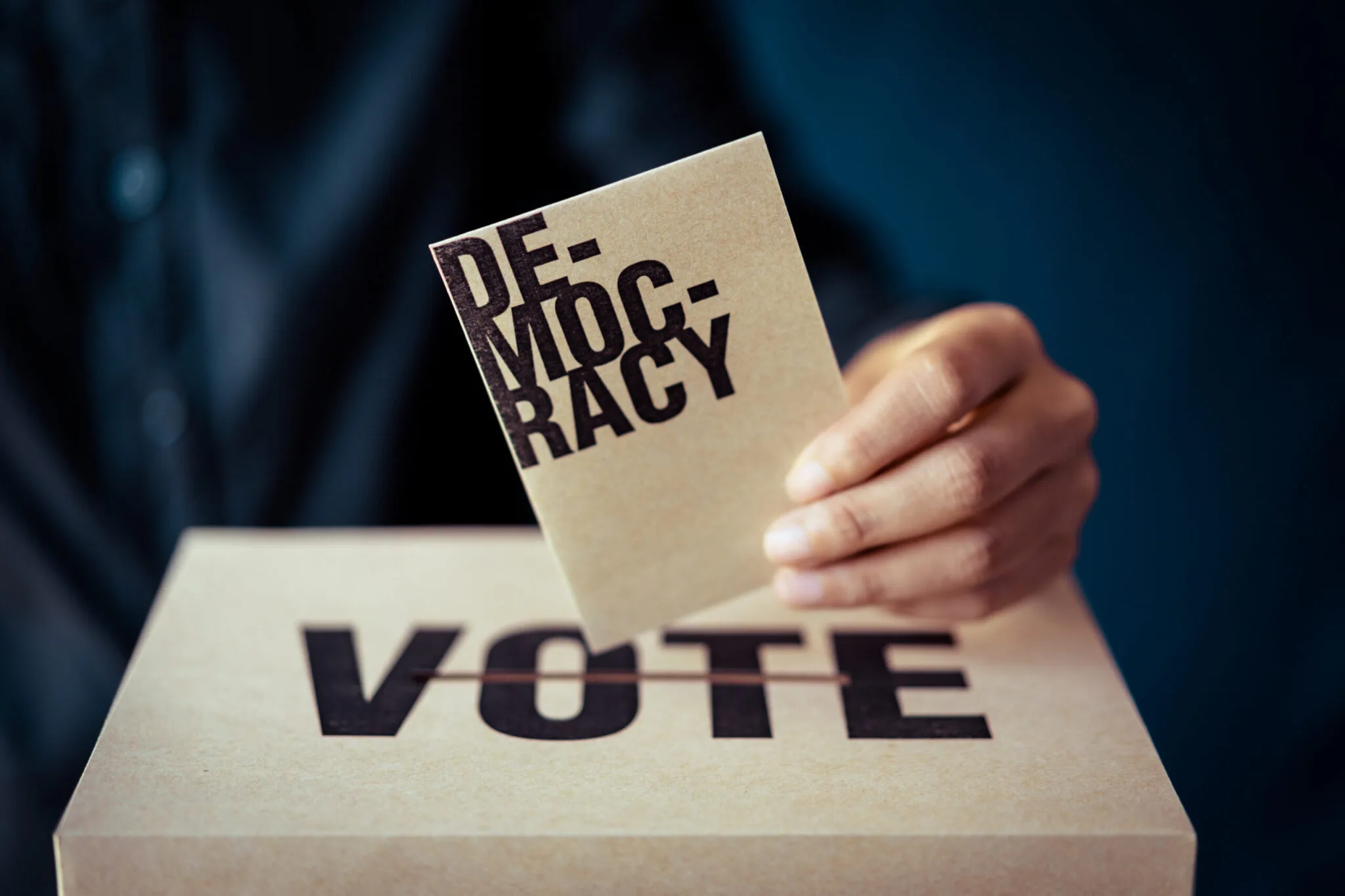
The Hum Beneath the Noise
In the cacophony of political ads, punditry, and late-night monologues, there’s a quiet revolution happening. It isn’t playing out on cable news tickers or trending hashtags. Instead, it’s unfolding in DMV lines, community centers, and online portals where people are finally asking one question with renewed urgency: How do I get on the list?
Search Trends Tell a Story
Data doesn't lie. As search interest for voter registration hits record highs across the US, the digital footprint of this movement is undeniable. People aren't just watching; they're acting. This surge isn't accidental. It reflects a growing realization that the power of the ballot is only as good as your ability to cast it. When millions type 'how to register to vote' into search engines simultaneously, it signals a shift from passive observation to active engagement.
More Than Just a Formality
For decades, voter registration was treated as a bureaucratic hurdle—a checkbox to be crossed before Election Day. But today, that perspective has shifted dramatically. Signing up is no longer just a formality but a critical act of defiance and hope. In an era where access to the ballot can feel precarious, simply showing up to register becomes a statement of intent. It says, 'I am here, I care, and I will not be silenced.'
The Machinery of Democracy
The machinery of democracy hums louder than ever. From early voting machines to digital tracking systems, the infrastructure is more complex and visible than ever before. Yet, despite this heightened activity, millions remain unregistered. This disconnect creates a strange paradox: the system is running at full capacity, but a significant portion of the population is still waiting for their turn to board. It's like a train station bustling with activity while thousands wait outside the gates, unsure if they'll make it on time.
Why Now?
What drives this sudden spike in interest? It’s rarely one single event. Often, it’s a combination of local incidents, national rhetoric, and a collective fatigue with being left out of the conversation. When policies shift, when rights feel threatened, or when communities see their neighbors mobilizing, the impulse to register kicks in. It’s a ripple effect. One person registers, tells a friend, who tells another, until the momentum builds like a snowball rolling down a hill.
The Digital Frontline
The battlefield has moved online. In the past, getting registered meant visiting a government office during business hours, often taking time off work. Today, many states offer streamlined online portals. However, these digital tools come with their own set of challenges. Technical glitches, confusing interfaces, and varying state laws can create new barriers. The fight for registration is now as much about user experience as it is about policy. Tech companies, non-profits, and volunteers are working overtime to ensure the process is as smooth as possible.
Defiance in the Face of Apathy
There’s a powerful narrative emerging around registration. It’s framed not just as a civic duty, but as an act of resistance against apathy and disenfranchisement. For young voters, first-time registrants, and marginalized communities, the act of signing up is a reclaiming of agency. It’s a declaration that their voices matter, even if the odds seem stacked against them. This mindset transforms a mundane administrative task into a profound moment of empowerment.
The Human Cost of Silence
Behind every unregistered statistic is a human story. Maybe they didn't know they could register. Maybe they thought it was too complicated. Or maybe they felt their vote wouldn't count anyway. These assumptions create a silent barrier that keeps millions away from the polls. Breaking through requires more than just information; it requires trust. Community leaders, teachers, and local organizers play a crucial role in bridging this gap by offering reassurance and guidance.
Hope as a Catalyst
Hope is a potent fuel for action. When people believe that change is possible, they are more likely to take the steps necessary to influence it. The current wave of registrations is fueled by a belief that the future is unwritten. It’s the idea that if enough people show up, the outcome can shift. This optimism is contagious. It spreads through social media, neighborhood groups, and family dinners, turning skepticism into determination.
The Road Ahead
So, what does the future hold? If the current trends continue, we may see a landscape where voter registration is as routine as checking the weather. But sustaining this momentum will require ongoing effort. It demands vigilance against restrictive laws, continued investment in education, and a commitment to making the process accessible to everyone. The goal isn't just to get people registered; it's to keep them engaged long after the election is over.
A Call to Action
The silence is broken. The engine is running. But it needs fuel. Whether you’re a seasoned voter or someone who has never stepped foot in a polling place, your role is vital. Check your status. Help others register. Share accurate information. The real battleground isn't just in the voting booth; it starts with the decision to sign up. And in that simple act lies the power to shape the nation's future.