

Marketing
U.S. Vulcan Rocket Launch Sparks 200% Search Surge
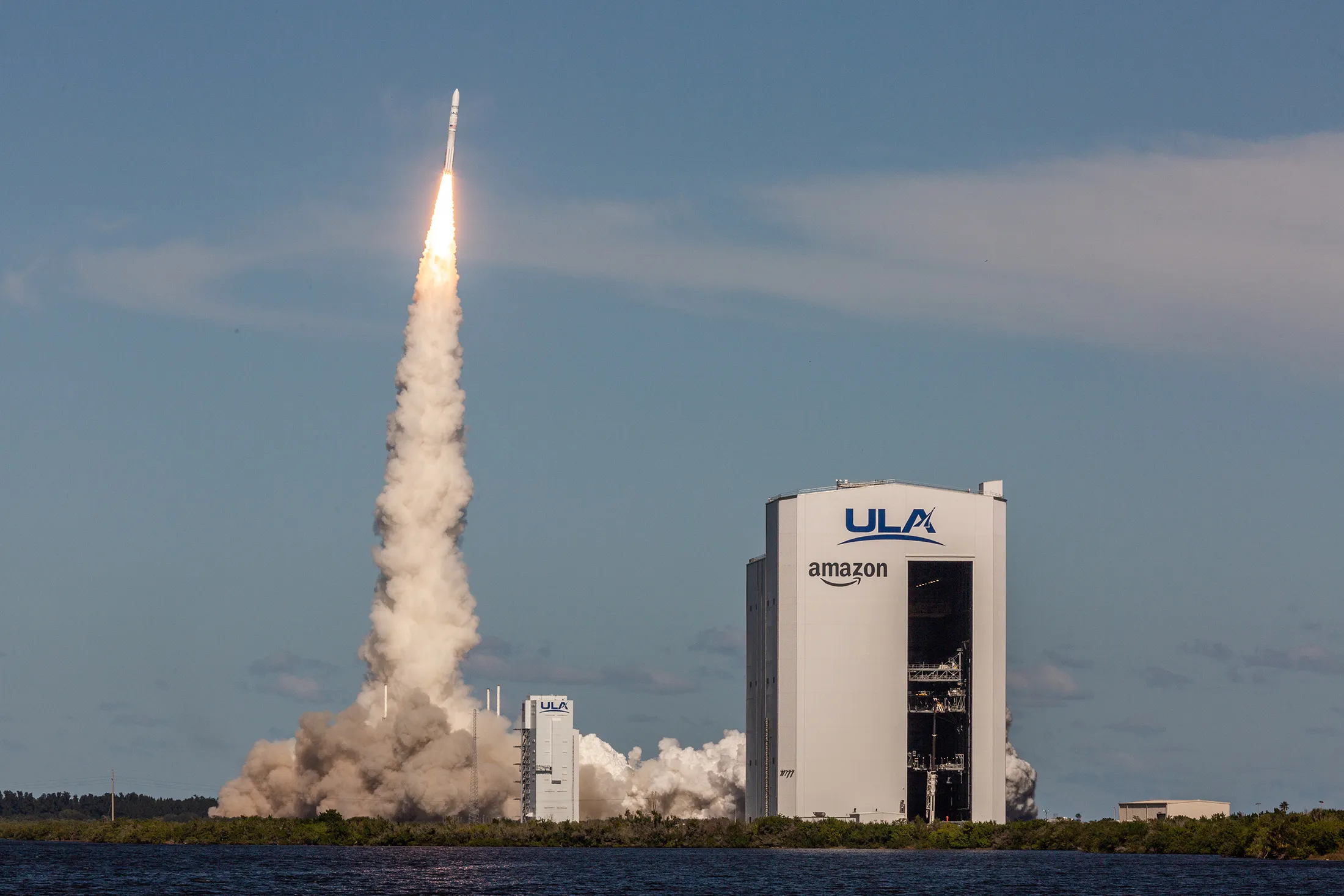
A Surge in Interest
The ULA Vulcan rocket launch has ignited a massive wave of curiosity across the United States, with search interest soaring past 20,000 queries in a single day.
That spike represents a 200% jump compared to the previous period, a clear signal that the public is hungry for news about this new heavy‑lift vehicle.
What Is the Vulcan Rocket?
Developed by United Launch Alliance, the Vulcan is designed to replace the aging Atlas V and Delta IV families, offering higher payload capacity and improved reliability.
Its first stage uses the BE-4 engine, a methane‑fueled powerplant built by Blue Origin, while the second stage is powered by a hydrogen‑rich upper stage, giving the rocket a versatile performance envelope.
Why the 200% Spike?
The dramatic rise coincides with the release of the trend data on November 16, 2026, as captured by the serpapi source, and it aligns with a cluster of related searches that hint at broader market dynamics.
Analysts point to a combination of factors: the debut of a new launch vehicle, heightened media coverage, and the timing of a major marketing push that frames the mission as a milestone for American space capability.
Marketing Momentum
Given the theme label of Marketing, the surge is not just organic curiosity; it reflects a coordinated campaign that leverages the excitement around space exploration to promote brands and products.
Companies ranging from aerospace contractors to consumer tech firms are likely to ride this wave, using the launch as a backdrop for advertising, sponsorships, and content marketing that targets both enthusiasts and mainstream audiences.
Related Searches and Trends
The related rising queries—such as 'amazon satellite launch setback ula', 'amazon leo satellites ula vulcan launch', and 'rocket launch today'—show that the conversation is expanding beyond ULA alone.
These phrases suggest that viewers are connecting the Vulcan launch to broader narratives about satellite deployment, commercial partnerships, and the competitive landscape of the new space race.
The Role of Amazon
Amazon’s involvement, hinted at by searches like 'amazon leo satellites' and 'amazon satellite launch setback', indicates that the e‑commerce giant is actively pursuing its own low‑Earth‑orbit constellation.
While specific details about any setback are not confirmed, the mere mention of a setback adds a layer of drama that fuels public interest and, consequently, search traffic.
Public Reaction and Media Coverage
Social media platforms have been flooded with live updates, amateur footage, and commentary, turning the launch into a real‑time event that blurs the line between professional broadcasting and citizen journalism.
News outlets across the country are publishing explainer pieces, infographics, and countdown timers, all of which contribute to the sustained high search volume.
Implications for the Space Industry
The heightened attention could translate into increased funding, more launch contracts, and a faster pace of innovation as competitors strive to match Vulcan’s capabilities.
Moreover, the marketing angle may encourage non‑traditional partners—such as advertising agencies and data analytics firms—to enter the space sector, diversifying the ecosystem.
Looking Ahead: Future Launches
With the Vulcan rocket now on the launch pad, the next steps will likely include a series of test flights, commercial payload deliveries, and possibly a crewed mission in the longer term.
The continued surge in search interest suggests that each subsequent launch will be met with the same level of anticipation, reinforcing the rocket’s role as a centerpiece of U.S. space strategy.
Conclusion
In sum, the ULA Vulcan rocket launch has become more than a technical milestone; it is a cultural moment that captures the imagination of a nation and drives measurable online activity.
As the marketing ecosystem capitalizes on this momentum, the ripple effects will be felt across industries, from aerospace manufacturing to digital advertising, marking a new chapter in the story of American space exploration.