

Lifestyle
Florida Flooding Surge: 20,000+ Searches
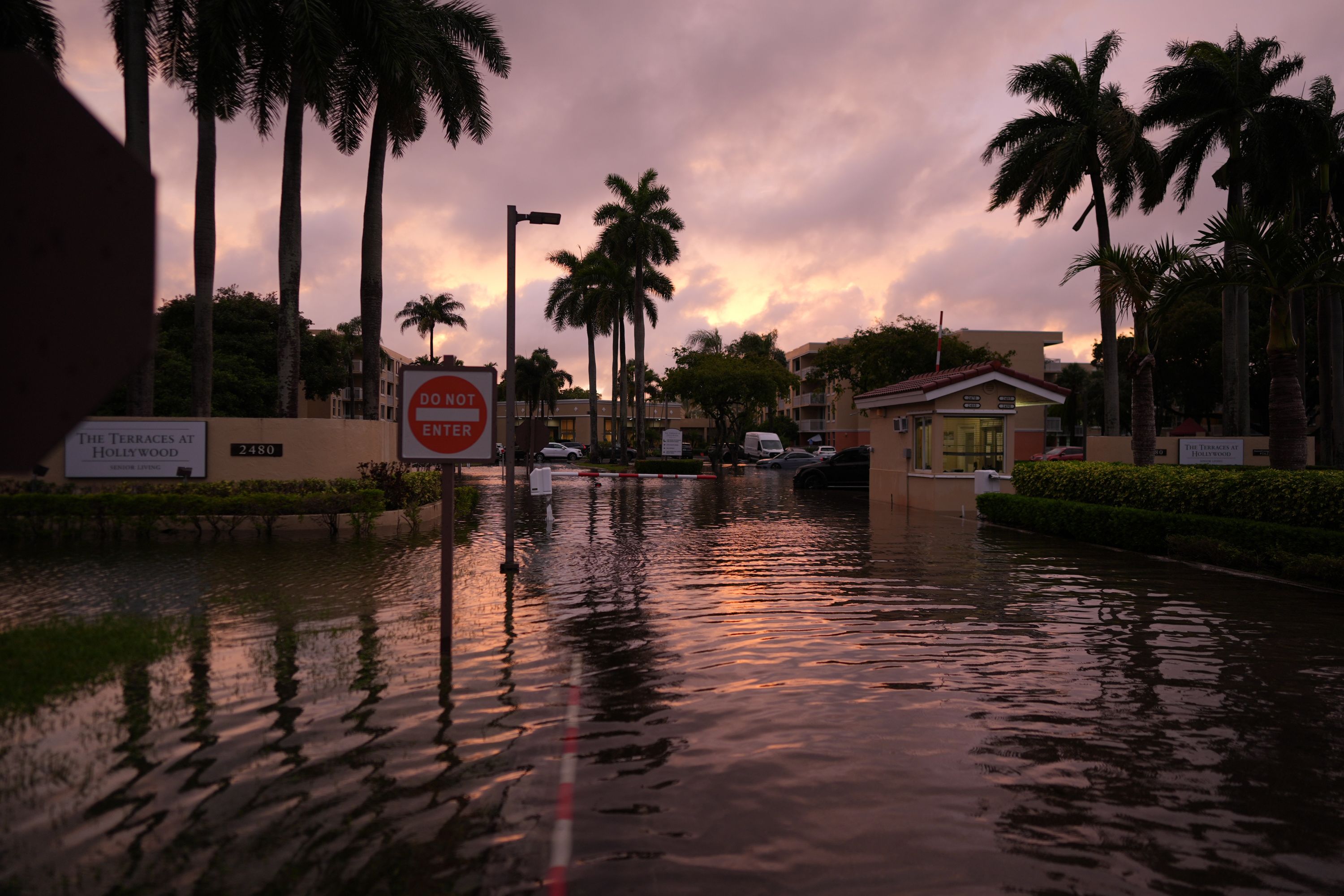
When the Sunshine Turns to Surge
Florida is famous for its endless sunshine, but lately the sky has been sending a different kind of message.
From the Everglades to the bustling avenues of Miami, residents have watched water rise faster than the tide, turning familiar streets into rivers and turning sunny afternoons into uneasy waits. The recent surge in online searches — over 20,000 queries in just a few days — shows how quickly the public has turned its attention to the deluge that’s reshaping daily life across the Sunshine State.
The Surge Behind the Search Spike
The numbers don’t lie; the trend titled “florida weather flooding” has been captured by an RSS feed on November 18, 2026, and the search interest has climbed past the 20,000 mark.
That volume suggests a collective curiosity mixed with concern, as people scroll through weather alerts, share photos of waterlogged neighborhoods, and look for real‑time updates on road closures. It’s a clear signal that the issue has moved from a local inconvenience to a statewide talking point.
Geography of the Deluge
The flooding isn’t confined to a single corner of the peninsula; low‑lying neighborhoods in Miami‑Dade, the swamps of the Everglades, and the coastal towns of the Gulf Coast have all felt the impact.
Even inland areas that normally enjoy dry weather are seeing unexpected runoff, because the storm systems are dumping massive amounts of rain over a broad swath of the state. Maps show water spreading from the Keys up to Orlando, illustrating just how widespread the event has become.
Infrastructure Under Pressure
Roads that were once reliable arteries are now battling submerged lanes, and the drainage systems built for a different climate are struggling to keep up.
Power lines sway in the wind, and outages have left neighborhoods in the dark, while water‑logged substations pose safety hazards. Engineers are scrambling to reinforce bridges and assess the resilience of critical transport routes, knowing that each hour of standing water adds to the cost of repair.
Community Response and Adaptation
Neighbors have rallied, stacking sandbags at doorways and sharing supplies through local Facebook groups.
Volunteer crews are pulling boats through flooded streets, and shelters are opening their doors to anyone needing a dry place to sleep. The outpouring of help reflects a resilient spirit that’s become a hallmark of Florida’s community culture.
Forecast Uncertainty
Meteorologists warn that the storm’s path remains fluid, making precise predictions a moving target.
Model runs show a chance of continued heavy rain over the next 48 hours, but the exact amount and location are still up in the air, leaving residents and officials on edge as they monitor each new update.
Policy Landscape
Local leaders are reviewing building codes and floodplain maps, hoping to tighten regulations that dictate where new homes can be erected.
Some municipalities are fast‑tracking funding for upgraded stormwater systems, while others are debating whether to invest in elevated infrastructure that could withstand future surges. The debate underscores a broader tension between immediate relief and long‑term resilience.
Economic Ripple Effects
Tourism, a cornerstone of Florida’s economy, feels the chill as visitors reconsider trips to sun‑soaked beaches that are now under water.
Hotels report lower occupancy, restaurants see fewer patrons, and insurance claims are climbing, painting a picture of economic strain that extends beyond the immediate flood zones.
What Residents Can Do
Simple steps — like moving valuables to higher ground, securing loose items, and keeping emergency kits ready — can make a big difference when waters rise.
Staying glued to official alerts, knowing evacuation routes, and supporting local recovery efforts also help build a safer, more prepared community.
Looking Ahead
Climate trends suggest that extreme weather events may become more frequent, meaning Florida will likely face more episodes of intense flooding in the years to come.
Policymakers, engineers, and everyday citizens will need to adapt, investing in smarter drainage, updating building standards, and fostering a culture of preparedness that can turn the current surge into a catalyst for lasting change.