

Marketing
Ba Cityflyer Route Cuts Set for 2027
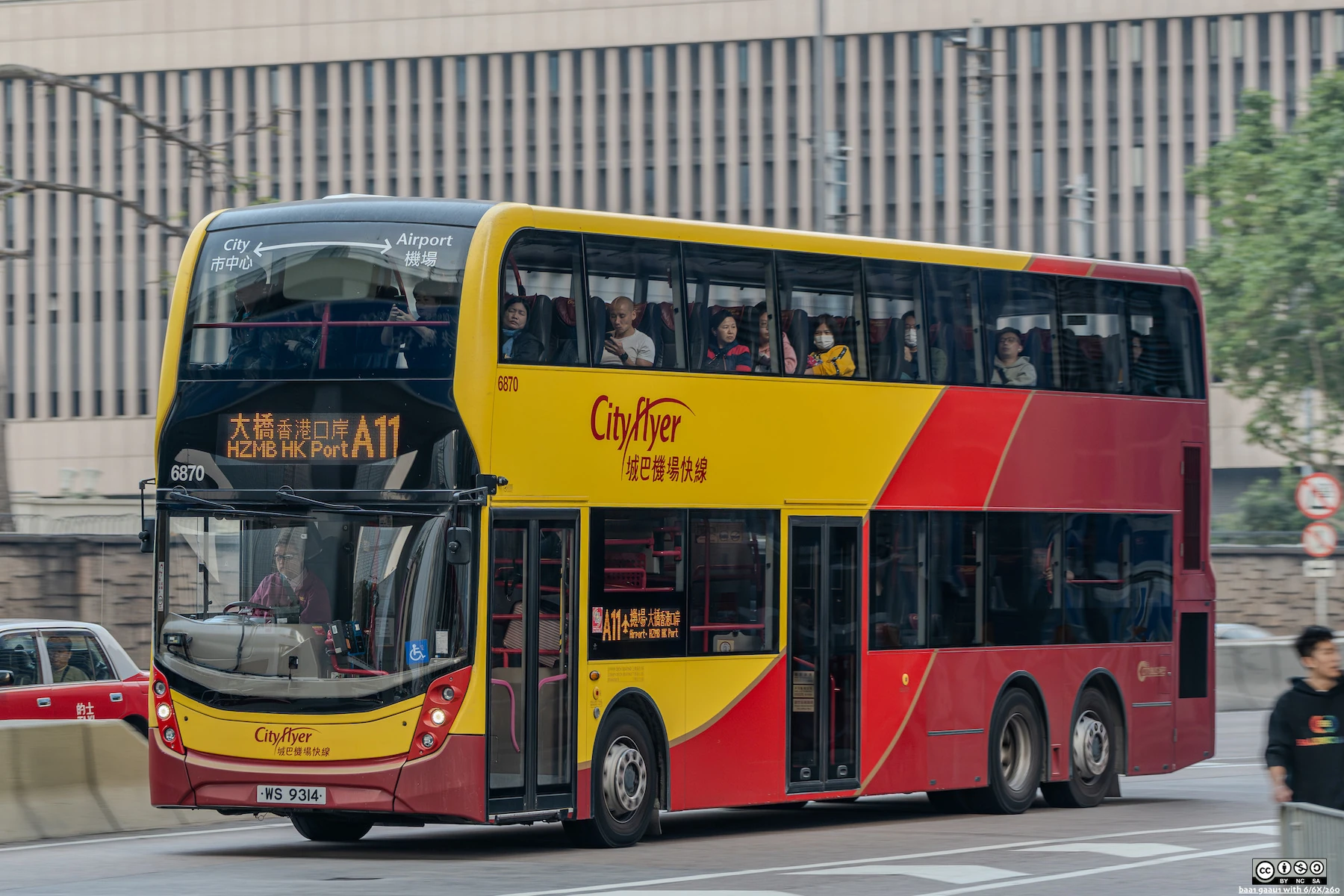
A Bold Move for Regional Connectivity
The UK’s regional transport scene is about to feel a shake‑up, as the Ba Cityflyer brand announces a series of route reductions slated for 2027. While the exact timetable is still being ironed out, the headline itself – “ba cityflyer route cuts 2027” – has already sparked a buzz that stretches far beyond the usual commuter chatter. The company, known for its bright‑colored buses that thread through towns and cities across the north of England, says the changes are part of a broader strategy to streamline operations and focus on high‑demand corridors. For a service that prides itself on connecting smaller communities to larger hubs, the prospect of fewer stops and tighter schedules could reshape the way locals think about daily travel.
At its core, the move is less about cutting services and more about reallocating resources where they can generate the most impact. By trimming less‑used routes, Ba Cityflyer hopes to free up buses for routes that see stronger passenger flow, potentially improving frequency and reliability on the lines that matter most.
Why the 2027 Cuts Matter
The timing is significant. With the UK government continuing to push for greener travel solutions, the transport sector is under pressure to demonstrate efficiency and sustainability. Reducing under‑performing routes can lower fuel consumption, cut emissions, and free up budget for electric vehicle roll‑outs. In that context, the 2027 cuts are not just a financial decision; they’re a statement about the future shape of regional mobility.
Moreover, the changes arrive at a moment when passenger expectations are evolving. Commuters increasingly demand punctuality, real‑time information, and seamless connections with rail and air services. By re‑designing its network, Ba Cityflyer aims to stay relevant in a landscape where the old “one‑size‑fits‑all” model is losing its appeal.
Search Surge Signals Public Interest
The numbers behind the buzz are striking. According to the latest data pulled from a serpapi query, the phrase “ba cityflyer route cuts 2027” has generated a search interest of more than 20,000 queries, marking a 1000% increase compared with the previous period. That surge suggests that a sizable slice of the public is actively looking for information, perhaps because they’re planning trips, evaluating alternatives, or simply curious about the upcoming changes.
Such a spike is unusual for a niche transport announcement, indicating that the story has broken out of specialist circles and is resonating with a broader audience. The high traffic volume also hints at a growing appetite for transparent communication about service adjustments – a trend that operators across the sector are beginning to notice.
The 1000% Spike: What It Means
A thousand percent jump is not just a statistical footnote; it reflects a shift in how information spreads in the digital age. When a relatively obscure route change triggers a massive search surge, it underscores the power of social media, news aggregators, and word‑of‑mouth to amplify even modest announcements. For Ba Cityflyer, the attention could translate into higher awareness of the brand, even if the immediate impact on ticket sales remains to be seen.
The intensity of the interest also offers a valuable metric for the company’s marketing team. By monitoring the 20,000+ queries, they can gauge public sentiment, identify common concerns, and tailor their messaging to address the most pressing questions before the cuts officially take effect.
Marketing Angle: Positioning the Change
From a marketing perspective, the narrative around the route cuts can be framed as a proactive, customer‑centric move. Rather than presenting the reductions as a loss, Ba Cityflyer can highlight the anticipated benefits: more frequent services on key routes, upgraded fleet standards, and a clearer, more reliable travel experience. This reframing turns a potential negative into a story of improvement and forward‑thinking planning.
The high search volume also provides a fertile ground for content marketing. Blog posts, infographics, and short videos that explain the rationale behind the cuts, showcase the routes that will remain, and invite feedback can help capture the curiosity of the 20,000+ users who are already searching. Engaging with that audience early can build goodwill and mitigate any backlash.
Potential Impacts on Passengers
For regular commuters, the most immediate effect could be a reshuffling of bus stops and schedules. Some neighborhoods may see fewer direct connections, prompting a shift toward alternative modes such as cycling, car‑sharing, or rail. However, the company has hinted that the cuts will be accompanied by enhanced service on the routes that remain, potentially offsetting the inconvenience for many users.
Tourists and occasional travelers might feel the ripple effect more acutely, especially if their itineraries rely on the specific Ba Cityflyer lines that are being trimmed. Yet, the broader transport ecosystem – including train operators and regional airports – is likely to absorb some of the displaced demand, especially if the cuts coincide with new partnerships or integrated ticketing schemes.
Challenges Ahead for Operators
Operators face a delicate balancing act. On one hand, they must ensure that the reduced network still meets the needs of the communities they serve; on the other, they need to justify the financial rationale behind the cuts to regulators, investors, and the public. The 1000% search spike shows that any perception of neglect could quickly turn into reputational risk.
Additionally, the transition will require careful coordination with drivers, maintenance crews, and IT systems that manage route planning and real‑time passenger information. Any misstep in communication or execution could lead to confusion, missed connections, and a dip in overall service quality.
Looking Forward: 2027 and Beyond
As we edge closer to 2027, the Ba Cityflyer route cuts will likely be the first of several strategic adjustments across the UK’s transport landscape. The trend reflects a wider industry shift toward data‑driven decision‑making, where search analytics, passenger surveys, and financial modeling converge to shape network design.
Stakeholders – from local councils to private investors – will be watching closely to see whether the anticipated efficiencies materialise and whether the passenger experience improves as a result. If the 20,000+ search interest translates into sustained ridership on the remaining routes, the cuts could prove to be a smart pivot rather than a short‑term cost‑saving measure.